Solar battery bank ports are essential components in energy systems that harness power through solar panels. These ports facilitate the flow of energy from the solar panels to the battery banks, enabling efficient charging and discharging. Understanding how they work safely is crucial for anyone using solar energy, as improper usage can lead to damage, overload, and serious electrical risks. With the right knowledge, users can optimize their solar setups and maintain safety standards, ensuring the longevity and efficiency of their systems.
Understanding Different Types of Battery Bank Ports
Battery bank ports come in various types, each designed to handle different energy flows and devices. Knowing the distinctions between input and output ports helps users manage their systems effectively.
Input Ports for Solar Panels and Charging Sources
Input ports are specifically designed to receive energy from solar panels or other charging sources. They must efficiently convert solar energy into stored power. Often, input ports include components such as MPPT (Maximum Power Point Tracking) controllers, which optimize the energy capture from solar panels even in varying sunlight conditions. These controllers ensure safe operation by preventing overcharge and adapting to fluctuations, thereby maximizing energy efficiency and minimizing risks. Users should check for compatibility and wattage ratings of input ports to ensure they match the solar array’s output.
Output Ports for AC, DC, and USB Power Delivery
Output ports distribute stored energy from the battery to various devices. AC ports power household appliances, while DC ports are ideal for direct current devices and USB ports for smaller electronics. Each type of port has specific standards and ratings for voltage and current, which need adherence to prevent damage to connected devices. Furthermore, these ports are integrated with converters and inverters to safely modify the type of current as required, ensuring compatibility with diverse devices and maintaining stable power delivery.
Built-In Safety Mechanisms That Protect Battery Ports
Safety mechanisms are crucial in protecting the integrity and functionality of battery bank ports, preventing damage from electrical irregularities.
Overcurrent, Overvoltage, and Short-Circuit Protection
Battery bank ports incorporate essential safety features that protect both the system and connected devices. Overcurrent protection prevents excessive current from flowing through circuits, reducing the risk of overheating and fire. Overvoltage protection safeguards batteries and inverters from sudden voltage spikes that could cause permanent damage. Short-circuit protection quickly interrupts dangerous electrical paths, helping avoid catastrophic failures. In addition, regular testing and real-time monitoring ensure stable performance over time. Clear user manuals further support safe installation, operation, and maintenance in household and commercial solar energy systems.
Temperature Control, Auto Shutoff, and Smart Port Design
Advanced battery banks are now engineered with built-in temperature control systems that actively monitor and regulate internal heat, significantly reducing the risk of overheating, fires, and long-term battery degradation. Auto shutoff features play a vital role by immediately cutting power when unsafe conditions arise, such as excessive temperatures, short circuits, or moisture exposure. In addition, smart port design enhances overall safety and efficiency by dynamically balancing energy loads and optimizing power delivery across connected devices. Together, these innovations enable real-time monitoring, provide timely user alerts, and ensure safer, more reliable, and efficient energy utilization.
Safe Usage Tips and Best Practices for Battery Bank Ports
Following safe usage tips ensures prolonged battery life and prevents hazardous situations.
Proper Connection, Disconnection, and Load Management
Proper connection and disconnection protocols are vital for maintaining port safety and ensuring long-term equipment reliability. Users should always double-check connections before and after use to confirm secure attachment, as loose or improper contacts can cause overheating, short circuits, or electrical failures. Equally important is effective load management. By distributing energy demand evenly across available ports, users can prevent overloading that may disrupt operations or damage infrastructure. Ongoing training and safety awareness programs help users understand best practices for handling connections and managing energy loads, improving overall system performance and operational safety.
Using Certified Cables and Anker SOLIX Battery Bank Systems
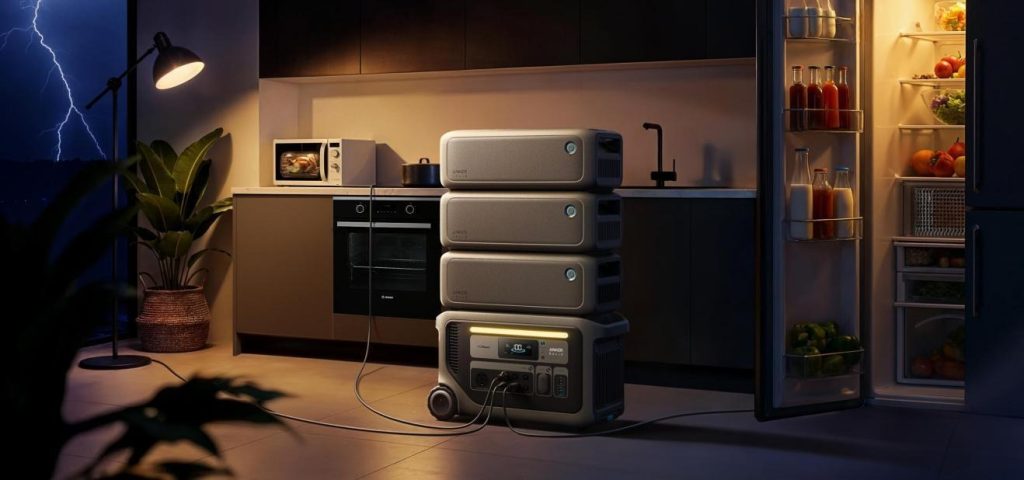
Using certified cables is a straightforward yet highly effective practice for ensuring safe and stable energy transfer. These cables undergo strict testing to handle defined current loads and voltage levels, which significantly reduces the risk of overheating, short circuits, or electrical faults during operation. When paired with reputable energy systems like Anker SOLIX, overall safety and efficiency are further enhanced. Anker SOLIX products are well known for their robust built-in protection mechanisms, consistent performance, and long-term reliability. They also feature advanced smart management protocols and intuitive user interfaces, providing an extra layer of security while adapting seamlessly to a wide range of energy usage scenarios.

Conclusion
The solar battery bank ports are pivotal in leveraging solar energy safely and effectively. Understanding the types of ports and their built-in safety mechanisms fosters responsible usage and maintenance of solar systems. By adhering to safe usage practices and selecting certified equipment, users can significantly mitigate the risks of damage and electrical threats. Investing in reliable systems, such as Anker SOLIX, enhances safety measures, ensuring users enjoy uninterrupted, efficient energy flow with peace of mind. The fusion of knowledge and technology empowers solar energy users to harness this green power safely and sustainably.