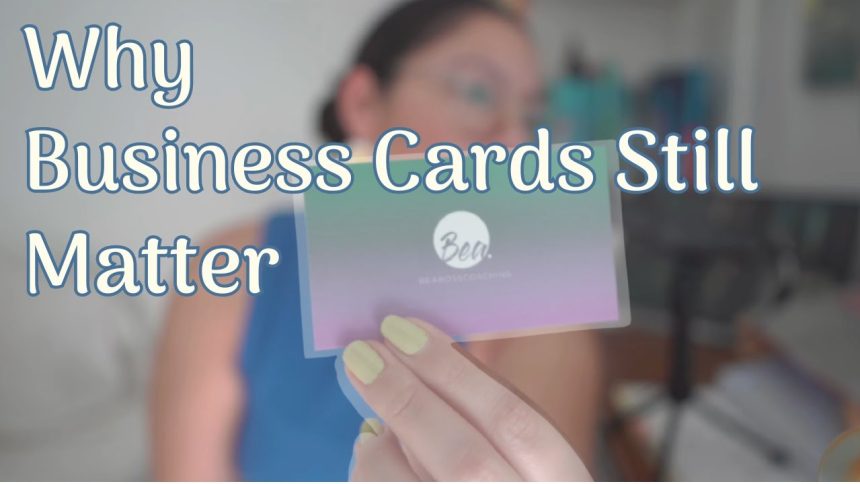
Digital tools may dominate communication today, but tangible connections still hold unique value. Business cards remain one of the simplest yet most effective ways to make a lasting impression. In a fast-paced, screen-driven environment, a physical card offers something memorable, personal, and surprisingly powerful.
The Power of a First Impression
Meeting someone for the first time often happens quickly—at events, meetings, or casual encounters. Handing over a well-designed business card creates an immediate, professional impression that a digital exchange can’t always replicate.
The tactile experience of receiving a card adds a sense of authenticity and intent. It shows preparedness and attention to detail, qualities that reflect positively on your personal or business brand.
A Tangible Reminder of Your Brand
Unlike digital contacts that can easily get lost in a crowded inbox or phone list, business cards provide a physical reminder of your interaction. People are more likely to remember you when they can associate your name with a visual and tangible item.
Design elements such as color, texture, and layout contribute to this memorability, helping your brand stand out even after the conversation ends.
Convenience Without Technology
Not every situation allows for quick digital sharing. Poor connectivity, device limitations, or time constraints can make digital exchanges inconvenient.
Business cards eliminate these barriers. They provide instant access to your contact details without relying on technology, making them a reliable option in any setting.
Building Personal Connections
Exchanging business cards is more than just sharing information—it’s a social interaction. It creates a moment of engagement that can strengthen professional relationships.
This personal touch can be especially valuable in networking environments, where building trust and rapport is essential.
Supporting Brand Identity
Business cards are an extension of your brand. A thoughtfully designed card communicates professionalism, creativity, and attention to detail.
From minimalist designs to bold, creative layouts, your card reflects your identity and the message you want to convey. Consistency with your overall branding reinforces recognition and credibility.
Cost-Effective Marketing Tool
Despite the rise of digital marketing, business cards remain one of the most affordable promotional tools. A single card can lead to opportunities, referrals, or partnerships that far outweigh its cost.
Their portability also means you can share your brand anytime, anywhere, without additional effort or expense.
Bridging the Gap Between Physical and Digital
Modern business cards often integrate digital elements, such as QR codes or social media links. This combination allows recipients to quickly transition from a physical card to your online presence.
This hybrid approach enhances accessibility while maintaining the personal touch of a traditional card.
Standing Out in a Digital-First World
As more interactions move online, physical items like business cards become more distinctive. Their rarity in some contexts makes them more impactful, helping you stand out in a sea of digital communication.
This uniqueness can leave a stronger impression and increase the likelihood of follow-up interactions.
A Broader Perspective on Networking
The continued relevance of business cards aligns with personal branding and professional networking strategies, where meaningful connections and memorable interactions play a key role in long-term success.
Combining traditional tools with modern techniques creates a well-rounded approach to building relationships.
Conclusion
Business cards may seem simple, but their impact remains significant even in a digital world. They offer a personal, tangible, and reliable way to share information and build connections.
By using business cards strategically alongside digital tools, you can enhance your professional presence and create lasting impressions that go beyond the screen.