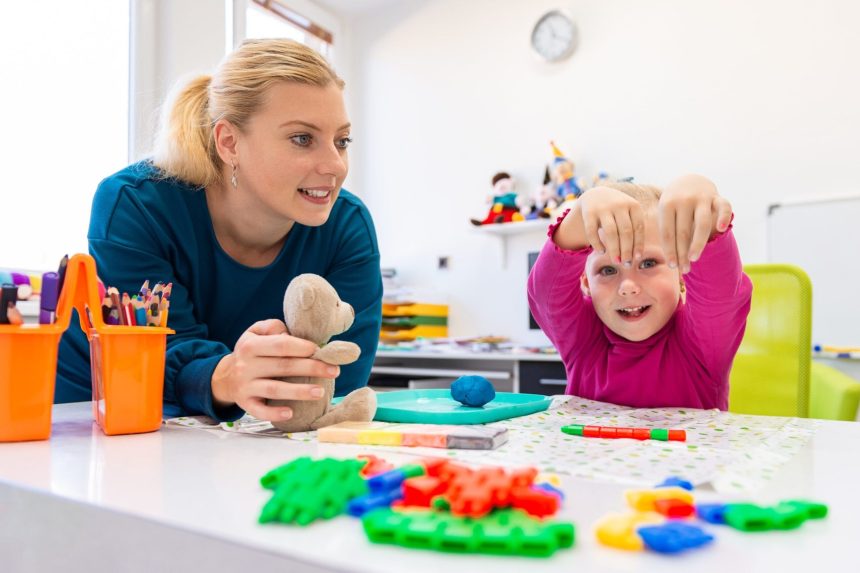
Every day, children take in information through their senses, sound, touch, sight, taste, movement, and body awareness. For most children, the brain processes this sensory input smoothly. However, some children struggle to organize and respond to sensory information, leading to sensory processing issues.
These challenges can affect behavior, learning, attention, and daily routines. Occupational therapy plays a key role in helping children manage sensory differences and function comfortably in everyday life.
Understanding Sensory Processing Issues
Sensory processing refers to how the nervous system receives and interprets information from the senses. When this process does not work efficiently, children may respond in unusual ways. Some children are overly sensitive to sensory input, while others may not respond enough. These differences are not behavioral problems but neurological responses that require understanding and support.
Common Signs Of Sensory Processing Difficulties
Children with sensory processing issues may show signs such as avoiding certain clothing textures, reacting strongly to loud sounds, being sensitive to light, or seeking constant movement. Some children may have difficulty sitting still, concentrating, or calming themselves. Others may struggle with food textures or become overwhelmed in busy environments. These signs can vary widely and may affect home life, school participation, and social interaction.
Impact of Sensory Challenges On Daily Life And Routines
Sensory challenges can affect simple daily activities. Dressing may become stressful due to sensitivity to fabric or seams. Mealtimes can be difficult because of texture or smell sensitivities. Sleep may be disrupted by sensitivity to sound or touch. In school, noise and movement can interfere with attention and learning. Understanding these impacts helps caregivers support children more effectively.
How Occupational Therapists Assess Sensory Challenges
Occupational therapists begin with a detailed assessment to understand how a child responds to sensory input. This includes parent discussions, observation, and standardized tools. Therapists identify sensory triggers and how they affect daily functioning. This information helps create a personalized therapy plan focused on the child’s unique needs and strengths.
How Occupational Therapy Helps
- Sensory Integration Therapy Explained
Sensory integration therapy is a common approach used by occupational therapists. It involves structured, play-based activities that help the brain process sensory information more effectively. Activities may include swinging, climbing, balancing, or tactile play. These activities are designed to provide controlled sensory input that helps the nervous system become more organized and adaptable over time.
- Helping Children Develop Self-Regulation Skills
A key goal of occupational therapy is teaching children how to regulate their responses to sensory input. Therapists help children recognize when they are overwhelmed or under-stimulated and use strategies to regain balance. Techniques may include deep pressure, movement breaks, breathing exercises, or calming sensory tools. These skills help children manage emotions and behavior more independently.
- Supporting Families And Home Routines
Occupational therapy extends beyond clinic sessions. Therapists guide parents on how to support sensory needs at home using simple strategies. This may include creating predictable routines, setting up sensory-friendly spaces, or using specific activities to help with transitions. Family involvement helps children apply skills consistently in everyday environments.
- Collaboration With Schools And Teachers
Children spend a large part of their day at school, making collaboration with teachers important. Occupational therapists may recommend classroom strategies, such as flexible seating, scheduled movement breaks, or reduced sensory distractions. When teachers understand a child’s sensory needs, they can use the learning environment to support focus and participation.
Importance Of Early Identification And Support
Early identification of sensory processing issues leads to better outcomes. When children receive support early, they develop coping strategies before challenges affect confidence or learning. Pediatricians, teachers, and caregivers play an important role in recognizing early signs and encouraging timely assessment.
When Occupational Therapy Is Needed
Parents should consider occupational therapy when sensory challenges consistently interfere with daily activities, emotional regulation, or social interaction. Persistent difficulties with noise, touch, movement, or transitions may indicate the need for professional evaluation. Early guidance helps prevent frustration and supports healthy development.
Accessing Occupational Therapy Services
Finding experienced professionals is essential for effective therapy. Treatment should be individualized, engaging, and consistent. Lucknow has growing access to pediatric therapy services, and many families prefer occupational therapy in Lucknow to help their children manage sensory challenges, improve daily functioning, and gain confidence in everyday activities.
Helping Children Thrive With The Right Support
Sensory processing issues can be challenging, but with proper support, children can learn to adapt to sensory experiences more comfortably. Occupational therapy equips children with skills that improve independence, emotional balance, and participation in daily life. With guidance from therapists, families, and educators, children can build resilience and thrive in their environments.