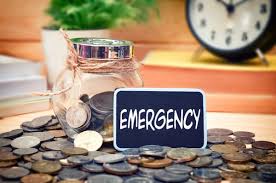
Facing a financial emergency can be a daunting experience. Whether it’s an unexpected car repair, a sudden medical expense, or an urgent household repair, financial stress can arise without warning, leaving us scrambling for a solution. In such situations, emergency loans can be a practical financial option, offering a way to manage unforeseen expenses effectively without causing a substantial impact on your financial health.
Understanding Emergency Loans
Emergency loans are short-term loans designed to cover unexpected expenses. They are typically characterized by quick approval times and relatively simple application processes, making them an accessible option for individuals facing financial urgency. The loans are tailored to provide immediate financial relief, allowing borrowers to tackle the emergency at hand without delay.
Common Scenarios Warranting Emergency Loans
There are numerous situations where securing an emergency loan could be a wise choice. Some common examples include sudden medical expenses that aren’t covered by insurance, urgent car repairs that affect your ability to commute for work, or unforeseen repairs necessary to maintain a habitable home environment. In these instances, having quick access to funds can make a significant difference in maintaining stability and avoiding further complications.
Benefits of Emergency Loans
One of the primary advantages of emergency loans is their speed and accessibility. Unlike traditional loans, which might take weeks to process, emergency loans can often be disbursed within 24 hours, depending on the lender. Moreover, many lenders offering emergency loans boast quick and straightforward online application processes, meaning you can apply from the comfort of your home.
Another benefit is the minimal paperwork involved. While traditional loans typically require extensive documentation, emergency loans often require just basic identification and income verification, streamlining the application process significantly.
Choosing the Right Emergency Loan
Before committing to an emergency loan, it’s crucial to understand the terms and ensure you can meet the repayments without causing additional financial strain. Carefully consider factors such as the loan’s interest rate, repayment schedule, and any associated fees. It’s always prudent to shop around and compare different lenders to find the most favourable terms for your situation.
Additionally, it’s worth considering alternatives before opting for an emergency loan. These can include dipping into savings, seeking financial assistance from family or friends, or exploring credit card options if the interest rates or fees are more competitive.
Repayment Strategy
Once you’ve secured an emergency loan, developing a sensible repayment strategy is critical to avoid financial pitfalls. Ensure you have a clear understanding of the repayment terms and incorporate these into your monthly budget. Timely repayments can help maintain your credit score and prevent accruing additional interest or fees.
For those who anticipate difficulty in repaying the loan, it is advisable to contact the lender promptly. Some lenders offer flexible repayment plans or extensions for borrowers facing financial hardships, but these options are often contingent upon proactive communication.
Ben Austin is the founder and CEO of Absolute Digital Media, a UK-based SEO and digital marketing agency established in 2008. The agency specialises in regulated industries including iGaming SEO, financial services, legal, and healthcare, and has accumulated over 175 industry awards. Ben has 17 years of hands-on experience in technical SEO, link acquisition, and search strategy for compliance-sensitive sectors. He writes on organic search, AI-driven visibility, and LLM citation optimisation.