Introduction
When you start looking for wall to wall carpet near me, you are usually trying to solve a practical problem: a room that feels cold, noisy, or unfinished. Wall to wall carpet remains one of the simplest ways to transform a space, because it adds warmth underfoot, softens sound, and gives a room a finished, comfortable feel in a single installation.
Yet finding the right supplier is not only about the nearest shop. A good supplier helps you measure correctly, choose a fibre that suits your household, and install the carpet so it stays flat and secure for years. A poor choice can leave you with seams that show, edges that lift, or a carpet that wears out far sooner than it should.
This guide walks you through the process step by step, from understanding what wall to wall carpet actually is to comparing prices and preparing for installation day. By the end, you will know exactly what to ask a supplier and how to judge whether their offer is genuinely good value.
What Wall to Wall Carpet Really Means
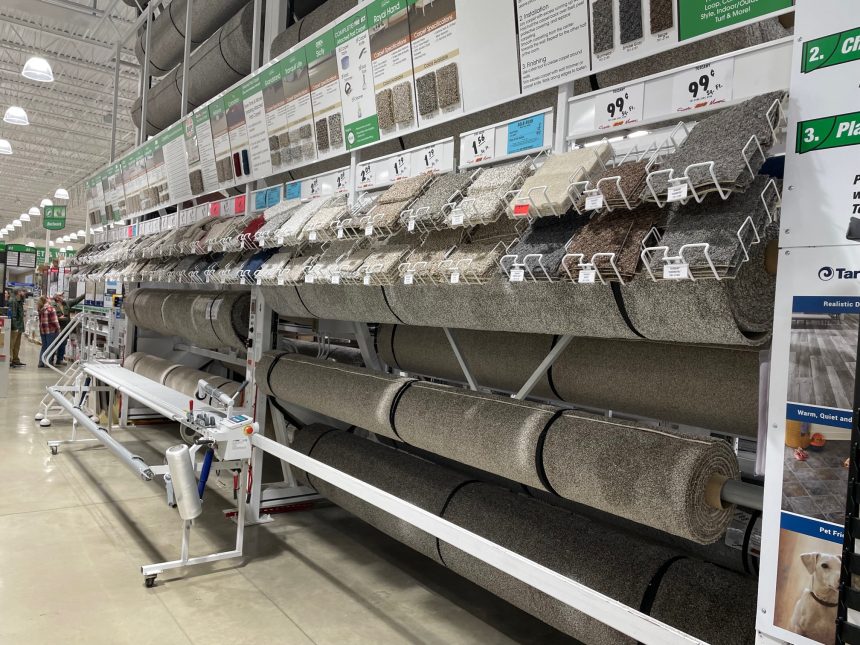
Wall to wall carpet, also called fitted carpet or broadloom, is carpet that covers an entire floor from skirting board to skirting board. It is supplied in wide rolls, usually around four metres across, and cut to fit the shape of your room. Unlike rugs or carpet tiles, it creates one continuous surface, which is why it feels so smooth and looks so neat.
The continuous surface brings real benefits. It insulates the floor, so rooms feel warmer in winter. It absorbs footsteps and voices, which matters in flats, bedrooms, and family homes. It also cushions falls, making it a sensible choice for households with small children or elderly relatives. The trade off is that it needs professional fitting, because a badly cut carpet will show every mistake.
Measuring Your Space Before You Shop
Accurate measurements are the foundation of a fair quote, so take them before you visit a supplier. Measure the length and width of each room at its widest points, and note any alcoves, bay windows, doorways, or built in furniture that the carpet must work around. A sketch with the measurements written on it is worth more than a rough guess.
Remember that carpet is sold by the square metre or square yard, and the roll width matters. If your room is wider than a single roll, the fitter will need a seam, and the supplier should explain where that seam will fall. Awkward shapes may need extra material, so ask whether the quote includes wastage.
Choosing the Right Fibre and Pile
The fibre you choose decides how the carpet feels, how long it lasts, and how easy it is to clean. Wool is the classic premium option: soft, naturally stain resistant, and long lasting, but it costs more. Nylon is tough and resilient, and a strong choice for hallways, stairs, and busy living rooms. Polyester is softer and cheaper, and works well in bedrooms where traffic is light. Polypropylene is budget friendly and stain resistant, which suits homes with pets or young children.
Pile matters just as much. A deep, plush pile feels luxurious under bare feet but shows footprints and vacuum marks, while a short, dense pile is harder wearing and easier to keep looking tidy. Loop pile carpets are durable and suit high traffic areas, though they can snag with pet claws. Ask the supplier to show you samples in your home lighting, because colours can look very different under shop lights than they do in your own rooms.
Comparing Prices Without Sacrificing Quality
Price comparison only works when you compare like with like. One quote may look cheaper because it excludes underlay, grippers, door bars, or fitting, while another includes everything. Always ask for an itemised quote that separates the carpet, the underlay, the accessories, and the labour. A quote that seems too cheap usually hides a compromise somewhere.
Underlay deserves special attention, because a good underlay extends the life of your carpet and makes it feel far more comfortable. Thin or low quality underlay is a false economy. When you are weighing up local options for wall to wall carpet near me, check whether the supplier offers a written warranty on both the carpet and the fitting. A supplier who answers these questions clearly is one you can trust.
Installation: What to Expect on the Day
Before the fitter arrives, clear the room of furniture, or agree whether the fitters will move heavy items for you. The old flooring, if any, should be lifted, and the subfloor should be clean, dry, and level. If the subfloor has bumps or dips, the fitter may need to smooth it first, so ask whether that work is included in the price.
On the day itself, the fitter will lay the underlay, cut the carpet to shape, and stretch it into place with a power stretcher so it sits tight and flat. Seams are joined with heat tape, and the edges are tucked neatly under the skirting boards. A standard room should take a few hours, and the fitter should walk you through the finished floor before leaving. Check the seams, edges, and doorway thresholds while they are still there, because small issues are far easier to fix on the spot.
Conclusion
Finding the right wall to wall carpet supplier is a mix of local convenience and careful judgement. Start with accurate measurements, choose a fibre and pile that match how you actually live in the room, and insist on an itemised quote that includes quality underlay and professional fitting. Visit the showroom, handle the samples, and ask direct questions about warranties and aftercare.
Done properly, wall to wall carpet will make your home warmer, quieter, and more comfortable for many years. Compare suppliers on the full package rather than the headline price, and you will end up with a floor that looks good, feels good, and was worth every penny.