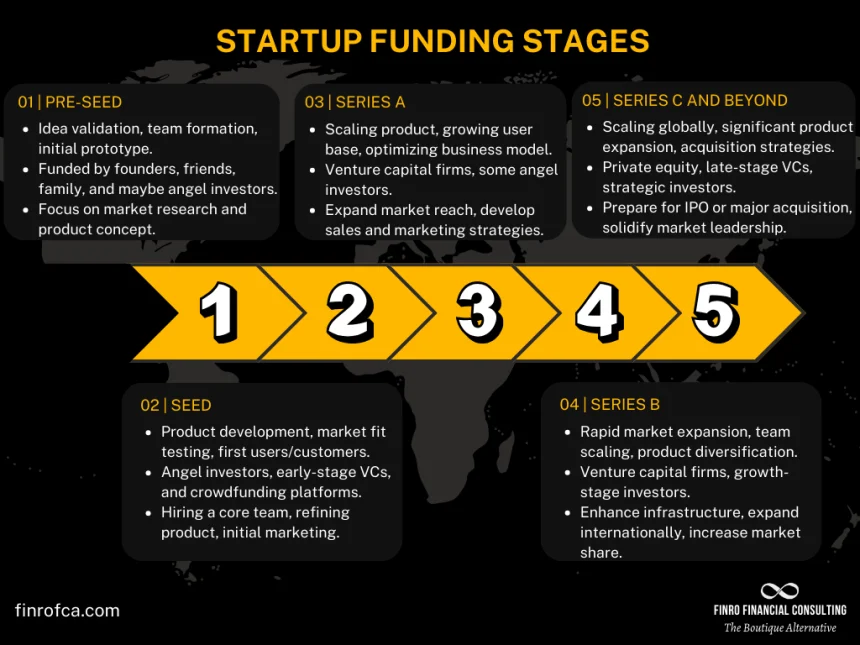
Startup funding decisions rarely rely on a single source of capital. Founders often combine equity, internal revenue, and structured debt to support growth without giving up additional ownership. Debt capital provides funding that must be repaid with interest but does not dilute founder equity. Platforms such as Recur debt capital help founders explore structured credit offers from multiple institutional lenders through a single evaluation process instead of approaching lenders individually.
The broader funding environment in India also reflects this shift. According to RBI guidance on digital lending frameworks and SME financing, structured credit access is expanding for growing companies. At the same time, analysis from Inc42 shows that the first half of 2025 recorded an 8% year-over-year increase in startup funding, with ecommerce and fintech leading investments. Five startups entered the unicorn club during this period, while Bengaluru remained the most funded startup hub.
But how can founders compare structured credit offers without spending weeks speaking to different lenders?
In this blog, we explain how debt capital fits into a startup’s funding mix and how founders can evaluate structured funding options with more clarity and confidence.
What Debt Capital Means in a Startup Funding Structure
Debt capital refers to funding your company must repay with interest within a defined time frame. It does not transfer ownership to investors. As your startup generates measurable revenue and maintains structured financial reporting, you may evaluate debt alongside equity to support growth initiatives.
To understand where debt fits in your funding strategy, it helps to compare it with equity financing.
| Funding Factor | Debt Capital | Equity Funding |
| Ownership | You retain full ownership of the company. | Investors receive company shares. |
| Repayment | Capital must be repaid with interest. | No repayment obligation exists. |
| Investor involvement | Lenders do not typically participate in governance. | Equity investors may influence strategy or board decisions. |
Debt financing becomes relevant when your business demonstrates operational visibility. Lenders review measurable signals before offering credit.
Key evaluation indicators include:
- Revenue consistency: Lenders review monthly or quarterly revenue patterns to assess repayment reliability.
- Financial reporting discipline: Accurate accounting records allow lenders to evaluate business stability and creditworthiness.
- Operational transparency: Visibility into receivables, contracts, or subscriptions strengthens credit evaluation.
You may explore structured credit through marketplaces such as Recur debt capital, where financial data connects businesses with institutional lenders.
Core Characteristics of Startup Debt Capital
Structured debt funding follows identifiable financial characteristics that influence both eligibility and repayment. Understanding these elements helps you determine whether debt aligns with your startup’s capital strategy.
Key structural characteristics include:
- Repayment structure: Loans typically follow fixed repayment schedules or defined structured repayment terms.
- Cost of capital: Interest payments replace ownership dilution as the primary funding cost.
- Credit evaluation signals: Lenders analyze revenue stability, accounting data, and operational metrics.
- Tax considerations: Interest payments may reduce taxable income depending on applicable financial regulations.
How Debt Capital Fits Within the Startup Funding Mix
Most startups rely on a combination of funding sources. You may balance equity investment, internally generated revenue, and debt financing to support growth without unnecessarily reducing ownership.
Debt financing generally complements equity rather than replacing it. When your company demonstrates revenue traction, debt may provide additional capital without issuing new shares.
The table below shows how different funding sources support startup operations.
| Capital Source | Typical Purpose | Ownership Impact |
| Equity funding | Product development or early growth | Ownership dilution occurs. |
| Internal revenue | Operational reinvestment | No ownership change. |
| Debt capital | Working capital or expansion funding | No ownership dilution. |
Many founders also evaluate capital stack optimization, where multiple funding sources reduce overall cost while supporting expansion.
Debt often appears after your startup achieves early operational stability.
Common signals lenders review include:
- Revenue traction: Stable or growing revenue demonstrates repayment capacity.
- Financial systems: Accounting and reporting tools provide lenders with operational visibility.
- Operational scale: Expansion initiatives often require capital beyond internally generated revenue.
Situations Where Startups Often Introduce Debt Capital
Debt financing usually supports specific operational needs rather than replacing equity investment. Founders introduce debt when revenue traction exists but expansion initiatives require additional capital.
Typical operational situations include:
- Working capital cycles: Revenue growth can create timing gaps between receivables and operating expenses.
- Customer acquisition investment: Marketing campaigns often require upfront capital before revenue materializes.
- Inventory procurement: Product companies require funding to support manufacturing or supply chain commitments.
- Bridge financing: Debt can provide temporary capital between equity fundraising rounds.
Types of Debt Financing Startups May Consider
Debt financing exists in multiple formats designed for different revenue models. Each structure aligns repayment schedules with the financial patterns of the business receiving the capital.
Lenders review revenue predictability, customer retention metrics, and financial reporting before offering structured credit.
The following table summarizes common financing structures used by startups.
| Debt Structure | Typical Use Case | Repayment Model |
| Venture debt | Extending runway after equity funding | Fixed repayment schedule. |
| Revenue-based financing | Businesses with recurring revenue streams | Percentage of monthly revenue. |
| Working capital loans | Managing operational cash flow cycles | Scheduled loan repayments. |
| Lines of credit | Flexible borrowing for short-term needs | Interest charged only on drawn capital. |
Before extending credit, lenders evaluate operational performance signals.
Typical evaluation criteria include:
- Revenue predictability: Stable revenue indicates the ability to maintain repayments.
- Customer retention: Consistent demand strengthens lender confidence in business stability.
- Financial reporting clarity: Organized accounting records improve credit evaluation accuracy.
Common Debt Structures Used by Growth-Stage Startups
Growth-stage startups often evaluate different financing structures depending on how predictable their revenue streams are. Each structure is designed to match repayment obligations with operational cash flow.
Common structures include:
- Venture debt: Often used alongside equity rounds to extend the operational runway without issuing additional shares.
- Revenue-based financing: Repayments adjust according to a percentage of monthly revenue performance.
- Working capital loans: These loans support operational expenses when receivables take time to convert into cash.
- Lines of credit: Revolving credit facilities allow businesses to borrow as needed and pay interest only on the utilized amount.
Strategic Advantages and Risks of Debt Capital
Debt financing provides several advantages when your company demonstrates financial stability. It allows you to access capital while maintaining full ownership and strategic control of your business.
At the same time, repayment commitments require disciplined financial management. Reviewing both benefits and considerations helps you determine whether debt aligns with your company’s funding strategy.
The table below summarizes the key advantages and considerations.
| Advantages | Considerations |
| Ownership remains with founders. | Repayment obligations must be maintained. |
| Interest-based cost is predictable. | Cash flow discipline is required. |
| Capital may be accessed faster than equity funding. | Lenders may require financial reporting compliance. |
| Supports operational expansion initiatives. | Revenue fluctuations can affect repayment capacity. |
Before introducing debt into your funding mix, review operational readiness.
Important indicators include:
- Revenue visibility: Stable revenue performance supports reliable repayment schedules.
- Cash flow coverage: Operating income must support interest and principal repayments.
- Financial transparency: Accurate financial records strengthen lender confidence.
- Operational stability: Sustainable demand signals long-term business viability.
How Debt Marketplaces Are Changing Startup Financing
Approaching lenders one by one can require extensive documentation, repeated financial submissions, and long response cycles. Debt marketplaces simplify this process by allowing you to share financial data once and receive structured funding offers from multiple lenders. This approach improves capital discovery while reducing the operational workload associated with traditional lender outreach.
The table below shows how marketplace-based funding discovery differs from traditional lender outreach.
| Capital Discovery Method | Process | Outcome |
| Traditional lender outreach | You approach banks or NBFCs individually and submit documents multiple times. | Longer discovery cycles and fragmented lender communication. |
| Debt marketplace model | Financial data is submitted once through a centralized platform. | Multiple lenders review the data and provide structured credit offers. |
Platforms such as Recur debt capital operate within this marketplace model. Through financial and accounting integrations, the platform connects startups with 150+ institutional lenders. These lenders evaluate financial signals and determine final credit approval.
Marketplace platforms support the capital discovery process through:
- Centralized financial submission: Your company connects accounting or financial data once, enabling lenders to evaluate credit eligibility efficiently.
- Structured lender matching: Financial signals help identify lenders aligned with your revenue profile and funding requirements.
- Funding structure comparison: Capital experts assist you in reviewing repayment terms, loan tenors, and financing models before selecting an option.
Marketplace Capabilities That Simplify Capital Discovery
Centralized debt marketplaces reduce operational friction when you evaluate financing options. Instead of repeating the same lender conversations, you gain access to multiple funding structures through a single evaluation process.
Key marketplace capabilities include:
- Unified application process: A single application connects your company with multiple institutional lenders.
- Financial data integration: Accounting integrations allow lenders to evaluate credit signals efficiently.
- Funding structure comparison: You can compare loan structures, tenors, and repayment schedules.
- Capital advisory support: Capital experts guide you while reviewing structured funding options.
Evaluating Whether Debt Capital Fits Your Startup Strategy
Debt financing decisions should align with measurable revenue performance and operational stability. When your startup demonstrates financial transparency and consistent revenue growth, debt can support expansion initiatives while preserving ownership.
Before pursuing debt financing, review the following operational indicators.
| Evaluation Factor | What You Should Assess |
| Revenue predictability | Consistent revenue growth across several reporting periods. |
| Cash flow coverage | Operating income that can comfortably support interest and principal payments. |
| Financial reporting | Organized accounting systems that provide clear operational visibility. |
Additional operational considerations include:
- Repayment alignment: Your repayment schedule should match cash flow cycles and operational spending patterns.
- Operational visibility: Lenders expect structured financial reporting and measurable business performance signals.
- Growth readiness: Debt financing typically supports companies demonstrating consistent revenue growth and financial transparency.
Conclusion
Startup funding strategies often combine multiple capital sources. You may balance equity investment, internally generated revenue, and structured debt to support expansion while maintaining ownership control. Debt capital becomes particularly useful when your company demonstrates stable revenue, financial visibility, and operational discipline.
Structured marketplaces simplify this capital discovery process. Through Recur debt capital, founders can explore credit offers from institutional lenders through a centralized marketplace rather than approaching lenders individually. Financial data connects your business with suitable lenders while capital experts help evaluate available funding structures.
As India’s startup ecosystem continues expanding, debt marketplaces are becoming an important part of startup financing strategies. They provide founders with additional ways to access growth capital while preserving ownership.