Choosing a senior living suite is not simply about square footage or décor. A functional floor plan plays a significant role in comfort, safety, independence, and overall quality of life. As people age, the way a living space is organized can either support daily routines or create unnecessary obstacles. Thoughtful design makes everyday activities feel intuitive rather than effortful.
A senior suite checklist helps individuals and families evaluate whether a space truly works for present needs while remaining adaptable for the future. Functional design does not draw attention to itself. Instead, it quietly supports movement, rest, privacy, and connection throughout the day. Understanding what to look for helps ensure that a living space remains a source of confidence rather than frustration.
Flow and Ease of Movement Throughout the Space
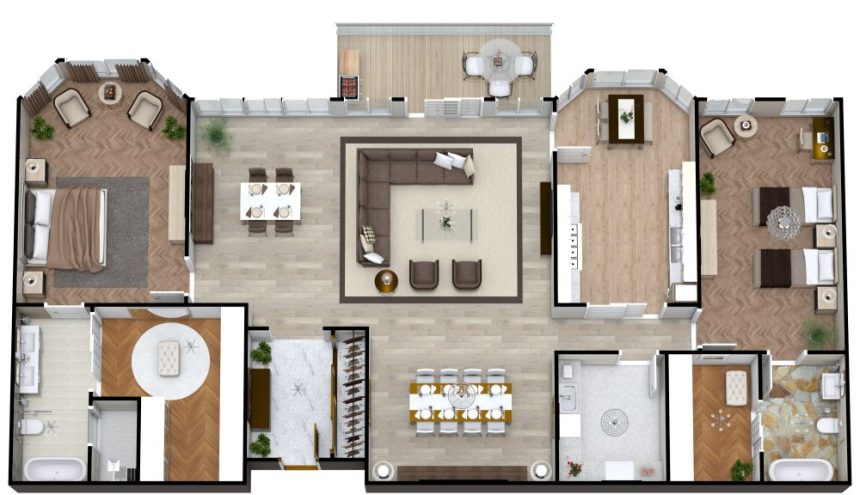
One of the most important factors in a functional senior suite is how easily a resident can move from one area to another. Clear, open pathways reduce the need for careful navigation and lower the risk of accidents. The flow between living area, sleeping space, bathroom, and storage should feel natural and unobstructed.
Rooms that are proportioned well allow for smooth transitions without tight corners or awkward angles. Adequate turning space is especially important for those who may use mobility aids now or in the future. Furniture placement should feel flexible rather than dictated by narrow layouts.
A thoughtful floor plan prioritizes ease of movement over decorative complexity. Simplicity in layout often leads to greater comfort and long term usability.
Bathroom Design That Supports Safety and Privacy
The bathroom is one of the most critical areas to evaluate when reviewing a senior suite layout. A functional bathroom design balances safety features with privacy and dignity. Adequate space around the toilet and shower allows for ease of use without feeling clinical.
Walk in showers with seamless entry support safe bathing routines. Flooring materials that reduce slipping contribute to confidence, while good lighting ensures visibility at all times of day. Storage placement also matters. Personal items should be within easy reach without requiring bending or stretching.
Bathroom doors should open smoothly and allow enough clearance for maneuverability. A well designed bathroom supports independence while preparing quietly for future needs.
Kitchen and Dining Areas Built for Daily Living
Even when dining options are available elsewhere, many residents value having a practical kitchen or kitchenette. A functional floor plan considers how people actually use these spaces rather than how they appear. Counter height, appliance placement, and storage access all influence daily comfort.
Clear sight lines between kitchen and living areas help maintain openness and connection. Storage that is easy to access supports continued involvement in meal preparation or light cooking tasks. Adequate lighting ensures safety while also making the space feel welcoming.
Individuals evaluating options such as assisted living in Atlanta or their area often look closely at kitchen design because it reflects a broader approach to independence and everyday usability within a suite.
Lighting, Windows, and Connection to the Outdoors
Light has a powerful impact on mood, energy, and orientation. A functional senior suite uses both natural and artificial light effectively. Large windows provide daylight and visual connection to the outside world, which supports mental wellbeing and daily rhythm.
Artificial lighting should be layered to meet different needs throughout the day. Bright general lighting supports activity, while softer options create comfort during rest periods. Easily reachable switches reduce unnecessary movement and promote autonomy.
Window placement also affects airflow and temperature balance. A well designed suite feels bright and comfortable without requiring constant adjustment.
Storage Solutions That Reduce Effort and Clutter
Storage is often overlooked when evaluating floor plans, yet it plays a central role in daily organization. Functional storage reduces clutter, which in turn lowers cognitive and physical strain. Closets, cabinets, and shelving should be accessible without reaching overhead or bending low.
Storage that aligns with daily routines makes it easier to maintain order. Placing frequently used items near activity zones supports flow and minimizes unnecessary steps. Good storage design also allows residents to bring meaningful possessions without overcrowding the space.
A suite that supports organization contributes quietly to calmness and efficiency. When storage works well, the entire living environment feels easier to manage.
Privacy, Personal Space, and Acoustic Comfort
A truly functional floor plan respects the need for privacy. Clear separation between sleeping and living areas helps support rest and personal downtime. This separation becomes especially important in shared routine environments where residents interact regularly.
Acoustic comfort also plays a role in how a space feels. Layouts that reduce noise transfer between rooms support relaxation and focus. Solid doors and thoughtful spacing allow residents to control their environment.
Functional design recognizes that independence includes the ability to retreat as needed. A floor plan that supports privacy helps residents feel fully at home.
Flexibility for Changing Needs Over Time
A senior suite should not only work for today but also adapt gracefully to tomorrow. Flexible layouts allow for changes in furniture, equipment, or daily routines without major disruption. A suite that can accommodate growth in support needs while maintaining comfort offers long term reassurance.
Wide doorways, adaptable spaces, and thoughtful proportions allow residents to remain in familiar surroundings even as needs evolve. This continuity supports emotional stability and reduces stress associated with future transitions.
Functional design anticipates change without centering life around it. The goal is quiet readiness rather than visible modification.
Conclusion
A truly functional senior suite floor plan is defined by how well it supports everyday living. Ease of movement, safety in key areas, thoughtful lighting, practical storage, and respect for privacy all contribute to a space that feels comfortable and empowering.
Using a checklist mindset when evaluating floor plans helps individuals and families look beyond surface features. Functionality reveals itself in small details that support independence and peace of mind. When a senior suite is designed with intention, it becomes more than a place to live. It becomes a space that quietly supports wellbeing every day.