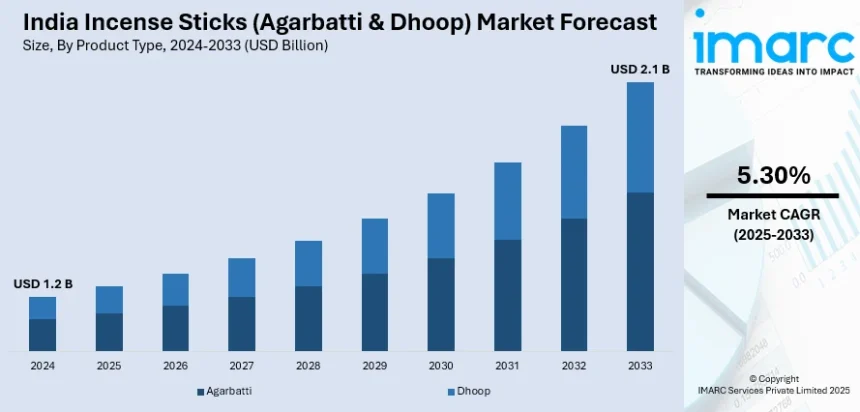
The incense sticks manufacturing sector holds a notable place in India’s cultural and economic structure. Once a small-scale artisanal craft, it has evolved into a structured manufacturing ecosystem that supports widespread employment, contributes to exports, and influences several related industries. The sector’s economic importance is connected to long-term cultural demand along with its ability to adapt to modern industrial practices.
1. Cultural Roots and Industry Expansion
The growth of the incense sticks industry is historically tied to India’s cultural and spiritual traditions. For centuries, incense has been used in religious rituals, hospitality, and wellness. These traditional practices created a steady demand that enabled small regional manufacturing clusters to gradually develop into organized production hubs supplying domestic and global markets.
2. Employment Generation and Rural Livelihoods
The industry is recognized for its labor-intensive nature, especially in rolling, drying, and packaging. A large portion of the workforce consists of women and rural workers, making it a major source of livelihood in several states such as Karnataka, Tamil Nadu, Uttar Pradesh, West Bengal, and Gujarat. The flexibility of work, minimal training requirements, and low entry barriers make incense stick production a stable income source for many low-income households.
3. The Role of MSMEs and Organized Units
Most incense stick manufacturers in India operate within the Micro, Small & Medium Enterprises (MSME) framework. This structure allows them to access credit support, skill development initiatives, and entrepreneurship programs. Within this ecosystem, several organized manufacturing units have also emerged. Companies such as Melting Aromas represent part of this structured sector that contributes to standardized production, consistent quality, and organized supply-chain management. Their presence reflects a growing trend of professionally-managed units working alongside thousands of small-scale producers.
4. Contribution to Export Growth
India remains one of the leading global suppliers of incense sticks. Markets across Europe, the Middle East, Africa, and North America import Indian incense due to its aromatic diversity, traditional production knowledge, and natural ingredients.The rise of global wellness trends, meditation practices, and aromatherapy has further strengthened export demand. This export performance contributes significantly to foreign exchange earnings and enhances India’s presence in the global fragrance market.
5. Support to Allied Industries
Incense sticks manufacturing stimulates a chain of related industries, including:
- Bamboo cultivation and processing
- Essential oil and fragrance compound suppliers
- Paper, printing, and packaging units
- Charcoal, jigat, and wood powder suppliers
The scale of incense production ensures steady demand for these materials, creating additional economic benefits across rural and semi-urban regions.
6. Technological Advancement and Productivity
In recent years, semi-automatic and automatic incense stick-making machines have improved efficiency across manufacturing units. While manual labor remains essential, mechanization has increased output, reduced production time, and improved fragrance consistency.This shift also creates new skill-based job opportunities in machine handling, maintenance, and quality monitoring.
7. Government Initiatives and Policy Support
Government efforts have helped strengthen the sector’s economic performance. Measures include:
- Support for bamboo cultivation and raw material availability
- Skill development and training programs
- Export promotion schemes
- MSME credit and subsidy initiatives
These policies help manufacturing units—both small and organized—remain competitive domestically and internationally.
8. Challenges Affecting Economic Growth
The sector continues to face certain challenges, including raw material fluctuations, international competition, environmental concerns linked to charcoal-based mixtures, and variations in fragrance regulations across export markets. Innovation and sustainable alternatives, such as herbal or charcoal-free incense, are becoming important for long-term industry growth.
9. Future Outlook
The incense sticks manufacturing sector is expected to grow steadily due to rising global interest in natural fragrances, mindfulness practices, and wellness products. Companies and MSMEs alike are adopting modern production techniques, diversifying fragrance profiles, and shifting towards sustainable ingredients. This transformation ensures that the industry will remain a stable contributor to India’s manufacturing economy, employment generation, and export performance.
Conclusion
India’s incense sticks manufacturing sector plays a crucial role in the national economy. It supports large-scale employment, enables rural income generation, strengthens the MSME ecosystem, stimulates allied industries, and contributes significantly to exports.
The presence of organized units—such as Melting Aromas alongside thousands of traditional manufacturers demonstrates the diversity and resilience of this industry. With continued policy support, modernization, and growing global demand, the economic contribution of the incense sticks sector is expected to remain strong in the coming years.