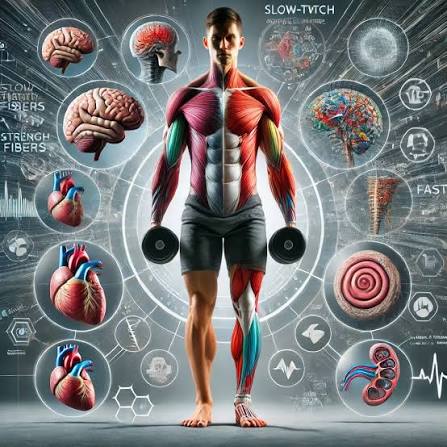
Brazilian Jiu-Jitsu (BJJ) is often known for its technical approach to grappling, but it is also a demanding full-body workout. During a typical class, practitioners move through warm-ups, drills, positional exercises, and live training. These activities require strength, balance, coordination, mobility, and muscular endurance. Instead of focusing on one muscle group at a time, BJJ teaches the body to work as a connected system. For people looking for an enjoyable way to become more active, Brazilian Jiu Jitsu Victoria can offer a practical combination of martial arts training and physical fitness. At Align Martial Arts, students can build fitness while learning useful grappling skills in a structured training environment.
One reason BJJ works so many muscles is the wide range of movements involved. A practitioner may use the legs to create movement, the core to maintain position, the back and shoulders to control an opponent, and the hands and forearms to establish grips. Training also involves repeated transitions between different positions, which can challenge cardiovascular fitness and muscular endurance. The exact muscles used depend on the technique, training intensity, experience level, and individual movement patterns. For beginners, the goal should not be to train as hard as possible from the first day. Consistent practice, good technique, proper recovery, and guidance from qualified instructors are more important for building fitness safely and steadily.
How BJJ Builds Full-Body Strength
Brazilian Jiu-Jitsu is a full-body activity because grappling rarely allows one area of the body to work alone. When performing a bridge, shrimp, technical stand-up, guard movement, or positional transition, several muscle groups must coordinate at the same time. The legs generate force, the hips help transfer that force, and the core provides stability. Meanwhile, the upper body may control grips or maintain posture. This combination makes BJJ different from many traditional exercises that isolate a single muscle. A Brazilian Jiu Jitsu Victoria training session can therefore provide a varied physical challenge while keeping the focus on technique and movement.
BJJ also develops muscular endurance because practitioners often repeat movements throughout a class. Holding a position, maintaining posture, escaping from an unfavorable position, or controlling space can require muscles to stay active for extended periods. This does not mean every class feels like a conventional strength workout. Instead, the body learns to produce and control force while moving in different directions. Over time, regular grappling practice may help improve functional strength, body control, and physical stamina. These benefits can support everyday activities as well as martial arts performance.
The Role of the Core and Abdominal Muscles
The core plays a major role in Brazilian Jiu-Jitsu. The abdominal muscles, lower back, hips, and surrounding muscles help stabilize the body during many grappling movements. A strong and well-coordinated core can make it easier to maintain posture, control movement, and transfer force between the upper and lower body. Movements such as bridging, framing, guard retention, and technical transitions can all place demands on the muscles around the midsection. Rather than simply trying to make the core stronger in isolation, BJJ teaches practitioners how to use it during movement.
Core engagement is especially important when changing positions. For example, a practitioner may need to rotate the torso while moving the hips and controlling an opponent’s position. These movements require coordination rather than simple forward-and-back abdominal work. Regular BJJ classes can therefore provide repeated opportunities to develop trunk stability and movement control. At Align Martial Arts, learning proper technique can help students understand how the whole body works together, making training both a martial arts lesson and a functional fitness experience.
How BJJ Trains the Legs, Hips, and Glutes
The lower body is another major part of Brazilian Jiu-Jitsu training. The legs and hips are involved in creating space, changing angles, maintaining guard positions, standing up, and moving around a training partner. The gluteal muscles, hamstrings, quadriceps, and calves may all contribute during different movements. Hip mobility is also valuable because many BJJ techniques require practitioners to move the hips freely rather than keeping the lower body fixed. This combination of strength, mobility, and coordination helps explain why grappling can be physically challenging even when movements appear controlled.
The hips are particularly important because they connect the upper and lower body. Many BJJ movements depend on moving the hips efficiently while keeping the rest of the body organized. Beginners may notice that simple drills can make their legs and hips work harder than expected. With regular practice, the body can become more comfortable with these movement patterns. Brazilian Jiu Jitsu Victoria classes can give students opportunities to develop lower-body coordination through guided drills and technique practice rather than relying only on conventional gym exercises.
Shoulders, Back, Arms, and Grip Strength
BJJ places regular demands on the upper body, especially the back, shoulders, arms, and forearms. Practitioners use their arms to create frames, manage grips, control distance, and perform technical movements. The back and shoulder muscles contribute when maintaining posture and controlling movement. The forearms and hands can also become highly active during gripping exercises. However, good BJJ technique is not simply about pulling as hard as possible. Efficient movement and proper positioning often reduce unnecessary effort and help practitioners use their strength more effectively.
Grip strength is one of the physical qualities that many BJJ students notice as they continue training. Depending on the class and training style, gripping a uniform or controlling the hands and arms can challenge the fingers, wrists, and forearms. Training should still be balanced with recovery because repeatedly stressing the same areas without adequate rest can lead to discomfort. A qualified instructor can help students learn efficient gripping habits and appropriate techniques. This technical focus is an important part of the fitness benefits available through Brazilian Jiu Jitsu Victoria training.
Cardiovascular Fitness, Mobility, and Muscular Endurance
Although BJJ is a grappling sport, it can also challenge cardiovascular fitness. A class may involve continuous movement, technical drills, positional rounds, and periods of live practice. Heart rate can rise as students move between positions and respond to a training partner. The intensity varies depending on the exercise, experience level, and pace of the session. Beginners may need more rest while learning unfamiliar movements, while experienced practitioners may be able to maintain activity for longer periods. This gradual development can make BJJ a useful option for people who want physical activity that combines fitness with skill development.
Mobility and flexibility are also important because grappling involves a wide variety of body positions. BJJ training can encourage practitioners to improve control through their hips, shoulders, spine, and other joints. Mobility work should be approached gradually, especially for beginners, and should never be forced into painful positions. When combined with appropriate warm-ups, technical practice, and recovery, martial arts training can support better movement quality. This broad approach is one reason BJJ can appeal to people who want more than a repetitive workout routine.
Conclusion
Brazilian Jiu-Jitsu can provide a well-rounded physical challenge by involving the core, legs, hips, glutes, back, shoulders, arms, and grip muscles. At the same time, training can develop cardiovascular endurance, coordination, balance, mobility, and body awareness. The biggest benefit is that these qualities are developed through purposeful movement and technical learning rather than through exercise alone. For beginners and experienced practitioners alike, consistent training can make fitness feel more engaging because every class offers new skills and movement challenges.
If you are considering martial arts as part of an active lifestyle, Brazilian Jiu Jitsu Victoria can be an excellent place to explore the fitness side of grappling. Align Martial Arts provides a setting where students can learn BJJ techniques while developing practical physical skills at an appropriate pace. With consistent practice, sound instruction, and enough recovery between sessions, BJJ can become a sustainable part of a healthy fitness routine. It is not about training one muscle at a time; it is about teaching the entire body to move, stabilize, and work together.