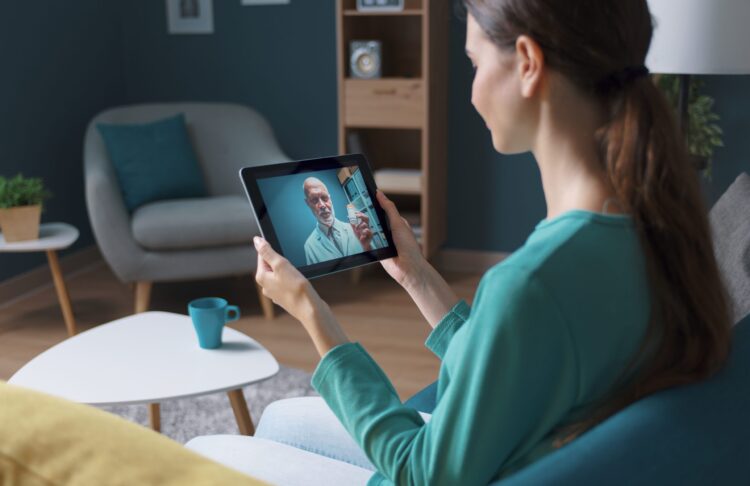
In the modern landscape of behavioral health, the definition of “treatment” is rapidly evolving. For decades, the path to recovery was viewed as a binary choice: either completely pause your life for inpatient residential care or attend a weekly therapy appointment that might not offer enough support. Today, there is a powerful middle ground that combines intensity with flexibility. For professionals, parents, and students, a virtual IOP for mental health bridges the gap between the need for rigorous care and the demands of daily life.
Intensive Outpatient Programs (IOP) have long been the gold standard for individuals transitioning out of residential care or those who need more structure than standard counseling provides. By bringing this model into the digital space, we are not just offering convenience; we are democratizing access to life-saving care. In this guide, we will explore how virtual programming works, the depth of healing services available, and why clinical expertise matters more than physical location.
The Evolution of Intensive Outpatient Care
The stigma that virtual care is “lesser than” in-person care has been thoroughly dismantled by recent clinical outcomes. Virtual IOPs are designed to replicate the structure, community, and intensity of physical programs, delivered through secure, HIPAA-compliant platforms.
Accessibility Meets Accountability
The primary barrier to addiction and mental health treatment is often logistical. How does one take a month off work? Who watches the children? Virtual IOPs solve this by allowing patients to engage in treatment from the privacy of their homes. However, flexibility does not mean a lack of structure. These programs require regular attendance—often 3 to 5 days a week for several hours at a time. This high level of accountability ensures that recovery remains the priority, even as the patient continues to navigate their real-world responsibilities.
Real-World Application
One distinct advantage of virtual treatment is the ability to practice recovery skills in real-time. In a residential setting, patients are shielded from triggers. In a virtual IOP, a patient might encounter a stressor in their kitchen or home office, and then immediately log into a session to process it. This “real-time” application of coping mechanisms helps to “stress-test” recovery in the environment where the patient actually lives, leading to more durable long-term outcomes.
Inside the Digital Room: Dynamic Therapy Sessions
At the heart of any IOP are the therapy sessions. Critics often wonder if emotional connection can truly be forged through a screen. The answer, backed by thousands of success stories, is a resounding yes.
Group Process and Peer Support
Addiction is a disease of isolation. Virtual group therapy breaks this isolation by connecting individuals from diverse backgrounds who share similar struggles. Facilitated by licensed clinicians, these sessions dig deep into the root causes of substance use and mental health disorders. The screen often acts as a safety buffer for those with social anxiety or trauma, allowing them to open up more quickly than they might in a physical room. The shared vulnerability in these digital spaces creates a profound sense of community, proving that empathy transcends bandwidth.
Individualized Clinical Focus
While group work is the engine of IOP, individual therapy is the steering wheel. Virtual programs provide dedicated one-on-one sessions where patients can dive into personal history, trauma, and specific behavioral patterns. These sessions allow for a level of privacy and focus that is essential for processing sensitive issues. The continuity of seeing the same therapist regularly builds a therapeutic alliance that is crucial for uncovering the “why” behind the addiction.
Beyond Talk: Comprehensive Healing Services
Recovery is a holistic pursuit. It is not enough to simply stop using substances; one must also heal the mind and body. Leading virtual IOPs integrate a wide array of healing services that go beyond traditional talk therapy.
Holistic Modalities in a Virtual Space
Innovative programs have adapted holistic practices for the digital age. This can include guided mindfulness meditation, breathwork sessions for anxiety regulation, and even virtual art therapy or journaling workshops. These services are designed to lower cortisol levels and regulate the nervous system. By learning to self-soothe in their own living rooms, patients are building a toolkit of “healing services” they can access anytime, not just when they are at a facility.
Family Integration and Education
Addiction affects the entire family system. Virtual platforms make family therapy significantly more accessible. Spouses, parents, or children can join a session from different locations, removing the barrier of travel. These sessions focus on setting boundaries, understanding the disease model of addiction, and rebuilding trust. By involving the support network in the healing process, the home environment transforms from a place of tension into a sanctuary of support.
Effective mental health marketing focuses on education, ensuring that those seeking help understand that virtual options offer the same clinical rigor as in-person programs.
The Importance of High-Level Clinical Training
When choosing a virtual provider, the technology platform is secondary to the quality of the human beings behind the screen. The effectiveness of a virtual IOP relies entirely on the clinical training of its staff.
Expert Facilitation
Leading a virtual group requires a specific skill set. Therapists must be adept at reading non-verbal cues through a camera, managing group dynamics to ensure everyone is heard, and maintaining engagement in a digital format. Top-tier programs invest heavily in the clinical training of their team, ensuring they are not just licensed, but also certified in specialized modalities like Cognitive Behavioral Therapy (CBT), Dialectical Behavior Therapy (DBT), and trauma-informed care. This expertise ensures that the screen does not become a barrier to clinical depth.
“Teach, Train, Transform”
The best programs operate on a philosophy of empowerment. They do not just “treat” patients; they train them. This involves deep psychoeducation—teaching the patient the neurobiology of addiction, the psychology of triggers, and the physiology of stress. By treating the patient as a student of their own recovery, clinicians empower them with knowledge. This educational component transforms the patient from a passive recipient of care into an active participant in their own healing.
Conclusion
The barriers to entry for addiction treatment—time, distance, and stigma—are crumbling. A virtual IOP for mental health offers a path to recovery that is both rigorous and reachable. It allows you to heal in the place where it matters most: your own life.
Whether you are seeking the camaraderie of group therapy sessions, the depth of holistic healing services, or the guidance of staff with elite clinical training, the digital door is open.
Recovery doesn’t have to wait for “the right time.” The right time is now, and help is just a click away.