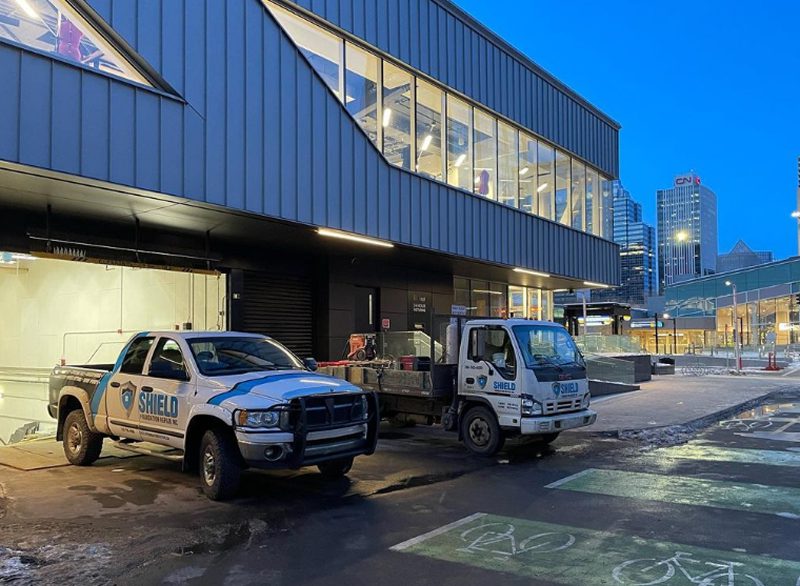
Did you know 1 in 5 homes show signs of structural settlement in the first decade? Hairline fractures might seem small, but they can point to bigger problems. These issues can threaten your home’s stability. That’s why a professional foundation inspection is so important.
Not all damage is the same. Small drywall cracks might need just a simple fix. But, problems like uneven floors or doors that don’t align right need experts. Companies like Dalinghaus Construction have done over 10,000 assessments. They say, “what you see on the surface is rarely the full story.”
The repair process starts with tools like laser levels and soil sensors. These tools help find the real cause of the problem. Whether it’s drainage issues or bedrock shifting, experts look at all factors before suggesting fixes. This way, repairs focus on long-term stability, not just what you can see.
Homeowners often worry about how long repairs will take and how much they’ll disrupt their lives. Modern methods like carbon fiber reinforcement or helical piers can finish most jobs in 1-3 days. This means less damage to your landscaping. The most important thing? Working with certified specialists who are open and honest. They make sure you’re comfortable with the repair plan.
Understanding Foundation Cracks
Foundation cracks are not all the same. Some look minor, but others warn of serious problems. Let’s explore what these cracks mean and why they happen. This way, you can spot issues early and fix them right away.
Common Types of Foundation Cracks
Foundation cracks come in different shapes, sizes, and levels of concern. Knowing how to identify them is key. It helps you tell if you’re facing a small issue or a big problem.
Vertical vs. Horizontal Cracks
Vertical cracks often appear as concrete settles or cures. They run straight up and down, common in poured concrete walls. While they’re usually not urgent, ignoring them can cause them to get wider.
Horizontal cracks need quick action. They show soil pressure pushing against the walls. If not fixed, they can cause walls to bow or even collapse.
| Type | Appearance | Common Causes | Severity |
| Vertical | Straight, narrow lines | Concrete shrinkage, settling | Low to moderate |
| Horizontal | Side-to-side gaps | Soil pressure, hydrostatic issues | High |
Hairline Cracks vs. Structural Gaps
Hairline cracks are thin (less than 1/8 inch wide) and often appear in new concrete. They’re usually minor but should be sealed to stop water leaks.
Structural gaps are wider (over 1/4 inch) and may have uneven edges. They often indicate foundation shifts or soil instability. If you see cracks near doors/windows or stair-step patterns in brickwork, get a professional right away.
What Causes Foundation Cracks?
Foundations face constant stress from environmental forces and material limitations. Here’s what’s happening under your home:
Soil Pressure and Hydrostatic Issues
Expansive clay soils swell when wet and shrink when dry, causing a “push-pull” effect on foundations. In rainy areas, hydrostatic pressure from waterlogged soil can bend concrete walls inward. This is why horizontal cracks often show up in basements after heavy storms.
Concrete Shrinkage Over Time
All concrete shrinks as it cures, like a cake pulling away from the pan. This natural process creates vertical hairline cracks. But extreme temperature changes or bad mixing can make these cracks bigger, threatening stability.
Signs You Need Professional Repair
Spotting early structural damage signs can save your home from costly repairs. Some cracks seem harmless, but others are clear warnings. Let’s look at the red flags you shouldn’t ignore.
Visible Warning Signs
Your home’s surfaces often tell the first chapter of the story. Watch for these visual clues:
Interior Wall Separation Patterns
Diagonal cracks from door frames or window corners? That’s your drywall waving a white flag. These fractures often form when foundation shifts pull walls apart. Check where walls meet ceilings – gaps wider than ¼ inch mean trouble’s brewing.
Exterior Stair-Step Brick Cracks
Brick walls with zig-zag cracks following mortar lines? This classic foundation settlement symptom shows up like a bad tattoo. Moisture changes and soil pressure make walls “walk” unevenly. Left unchecked, those cute steps become an expensive staircase to ruin.
Functional Red Flags
When your house stops working right, the foundation’s usually the culprit. These operational issues demand attention:
Sticking Doors/Windows
That stubborn bedroom door isn’t just being difficult. When frames warp from foundation movement, openings shift shape. If multiple windows jam or doors scrape floors seasonally, your structure’s crying for help.
Uneven Flooring Issues
Rolling marbles across the kitchen? Sloping floors and buckling floorboards shout structural damage. Use a level to check slopes – more than 1 inch difference over 10 feet means serious foundation drama.
Pro tip: Experts use crack gauges to monitor changes. A hairline crevice today could become a canyon next month. If you notice cracks forming along your foundation walls, don’t delay—seek out expert foundation crack repair services in Edmonton before the damage worsens.
Foundation Crack Repair Process
Fixing foundation cracks needs skill and care for lasting fixes. Experts use a detailed plan to fix problems and stop new ones. Here are the five main steps of the repair process.
Step 1: Professional Inspection
Every fix starts with a detailed check. Technicians use special tools to get exact info about your foundation.
Laser level measurements
Advanced laser levels spot even small foundation shifts. These checks show if cracks are from settling, soil pressure, or other stress.
Soil moisture analysis
Too much water can harm your foundation. Experts test soil moisture to find any drainage or leak problems that cause cracks.
Step 2: Method Selection
Picking the right fix depends on the crack and your home’s needs. Here’s a look at common methods:
| Method | Best For | Cure Time | Longevity |
| Epoxy Injection | Structural cracks ≥1/8″ | 24-48 hours | 15+ years |
| Hydraulic Mortar | Active water leaks | 3-5 hours | 10+ years |
| Polyurethane Foam | Hairline cracks | 4-6 hours | 8+ years |
Evaluating crack depth/width
Small cracks can be sealed easily, but wider ones might need epoxy injection for strength.
Structural vs. cosmetic needs
Some cracks just look bad, but others can harm your home. Experts use tests and analysis to tell the difference.
Step 3: Preparation Phase
Setting up right is key to a good repair and avoiding future problems.
Excavation requirements
For basement wall fixes, digging around the foundation is needed. This lets technicians see the full extent of the damage.
Waterproofing considerations
Sealants or drainage mats are often used to keep water out. This is important before using hydraulic mortar in wet areas.
Step 4: Repair Implementation
This stage varies by method but focuses on key principles:
Material injection techniques
For epoxy repairs, technicians use special ports to inject resin. This fills voids and strengthens the concrete.
Cure time management
Most materials take 24-72 hours to harden fully. Experts control temperature and humidity to ensure the epoxy injection process works well.
Step 5: Post-Repair Verification
Quality checks confirm the repair’s success and your home’s safety.
Follow-up moisture tests
Contractors retest soil and foundation moisture to make sure water issues are fixed.
Structural integrity checks
Final laser measurements and stress tests check if walls and floors are stable. Many firms offer warranties based on these checks.
Choosing the Right Repair Method
Choosing the right fix for foundation cracks depends on the size, movement, and structural needs. We’ll look at three effective methods used by experts. Each comes with examples to help you decide.
Epoxy Injection Repairs
Best for narrow structural cracks (under 1/8″ wide), epoxy injections create permanent bonds in stationary concrete. Contractors often use SIKA AnchorFix-3 kits for this high-strength bonding process. The process involves:
- Cleaning cracks with compressed air
- Installing surface ports along the fissure
- Pumping viscous resin deep into fractures
This method works best in dry environments and requires professional-grade equipment for proper crack injection.
Polyurethane Foam Solutions
For active cracks that expand/contract seasonally, polyurethane foam offers superior flexibility. Products like SIKA Flex-2C expand up to 30x upon water contact during their rapid water-activated expansion phase. Key advantages include:
- Sealing leaks in under 45 seconds
- Adhering to wet surfaces
- Bending with minor foundation shifts
While DIY-friendly, improper application can lead to incomplete seals – consult a pro for critical structural areas.
Carbon Fiber Reinforcement
For bowing walls or horizontal cracks, Dalinghaus Construction’s carbon fiber straps provide permanent stabilization. This non-invasive installation method uses:
- High-tensile straps (20,000+ PSI strength)
- Epoxy anchors every 4-6 feet
- UV-resistant finish coatings
Unlike steel beams, carbon fiber solutions won’t corrode and maintain wall aesthetics.
| Method | Best Use Case | Cure Time | Avg. Cost* |
| Epoxy Injection | Static hairline cracks | 24-48 hrs | $4-$8 per linear ft |
| Polyurethane Foam | Leaking active cracks | 15-30 mins | $6-$10 per linear ft |
| Carbon Fiber | Wall stabilization | Immediate | $300-$600 per strap |
*Cost data reflects 2024 national averages from Foundation Repair Network
Securing Your Home’s Structural Future
Fixing foundation cracks needs quick action and long-term planning. Get a professional check from experts like Dalinghaus Concrete Construction or Ram Jack. They can tell you how urgent the fix is and what method to use.
These checks take 60-90 minutes. They use special tools and eyes to spot risks you can’t see. This helps find problems before they get worse.
Choose contractors with warranties that last as long as the materials. Companies like Thrasher Foundation Repair offer guarantees that can be passed on. Get quotes from 3-4 local pros to find the best price and service.
After fixing, keep an eye on your home’s foundation. Check humidity levels and soil moisture. Also, have annual checks to catch new problems early.
Use good materials for repairs. Epoxy injections from Sikadur 31 or carbon fiber straps from ArmorPoxy work well. But, avoid quick fixes like hydraulic cement that only hide problems.
Keeping your foundation in good shape saves your home’s value. It also stops damage to walls, pipes, and floors. Keep records of repairs with photos and reports. This helps you remember what was done and why.
Working with licensed pros ensures your repairs follow local rules. This also gives you legal protection if problems come back. Fixing cracks now helps your home last longer.