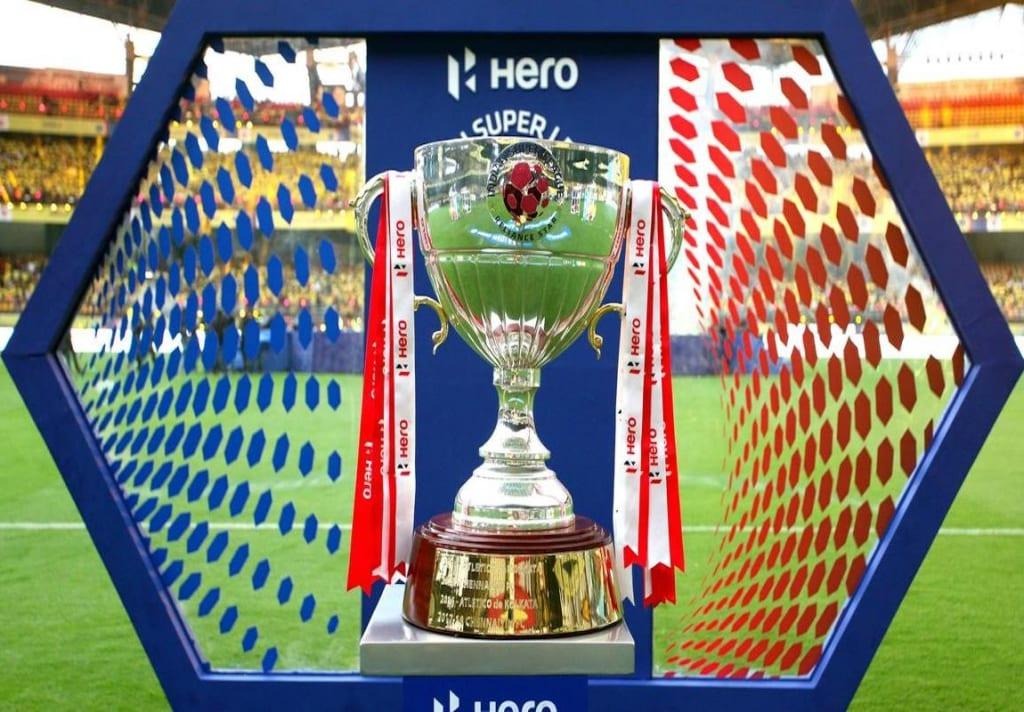
A Decade of Evolution and Growing Popularity
The Indian Super League (ISL) kicked off in 2014 as a bold experiment to revolutionize football in a cricket-obsessed nation. Conceived by IMG-Reliance and backed by the All India Football Federation (AIFF), the league aimed to blend glamour, global talent, and local passion into a product that could rival the Indian Premier League (IPL) in cricket. Ten years later, the ISL has not only survived but thrived, evolving from a short-duration tournament into a robust, year-round ecosystem that has significantly boosted the sport’s visibility and fan engagement across India.
The Early Years: Glamour Over Substance (2014–2016)
When the ISL debuted in October 2014, it was unapologetically flashy. Eight franchise-based teams, marquee international players like Alessandro Del Piero, David Trezeguet, and Robert Pires, and Bollywood celebrity owners created instant buzz. The inaugural season featured Atlético de Kolkata (now Mohun Bagan Super Giant) lifting the trophy after defeating Kerala Blasters in a thrilling final. The league lasted just three months, positioned as a complementary tournament to the older I-League, which remained India’s top division at the time.
Critics dismissed the ISL as a “retirement home” for aging European stars, but the numbers told a different story. Average attendance crossed 24,000 per match, dwarfing the I-League’s modest crowds. Broadcasters Star Sports reported peak viewership of over 40 million for the final. The league’s high production values—LED pitch boards, drone shots, and celebrity-filled stands—made football feel like an event rather than just a sport.
However, the early ISL had structural limitations. The season was too short, player contracts were temporary, and there was no promotion-relegation system. Indian players, though benefiting from training alongside global names, often played second fiddle to foreign signings. Yet, the foundation was laid: football could draw eyeballs in India if packaged right.
Structural Overhaul and Legitimacy (2017–2020)
By 2017, the ISL began addressing its shortcomings. The season was extended to five months, allowing for a more traditional league format. Two new teams—Bengaluru FC and Jamshedpur FC—joined, bringing the total to ten. Crucially, the AIFF granted the ISL top-tier status in 2017–18, effectively phasing out the I-League as the premier competition. This shift sparked controversy among traditional clubs, but it gave the ISL the legitimacy it needed to attract serious investment.
The introduction of the League Shield in 2019–20 for the regular season table-toppers added a second trophy, rewarding consistency alongside playoff heroics. Goa FC became the first Shield winners, while ATK claimed their third Cup. The league also mandated a minimum number of Indian players in starting lineups, pushing clubs to invest in youth academies. Bengaluru FC’s state-of-the-art facility and Chennaiyin FC’s tie-ups with European clubs set new standards for player development.
Sponsorship deals grew exponentially. Hero MotoCorp remained the title sponsor, but global brands like Puma, Performax, and DafaNews signed on. Fan merchandise—jerseys, scarves, and mugs—started appearing in malls, a rarity for Indian football before the ISL.
The Pandemic Pivot and Digital Surge (2020–2022)
The COVID-19 pandemic forced the 2020–21 season into a bio-bubble in Goa, but the ISL adapted swiftly. All matches were played behind closed doors, yet viewership soared. Disney+ Hotstar, the official live football stream partner, reported a 30% increase in digital consumption compared to the previous year. Fans, confined to their homes, turned to mobile screens, with average watch time per match crossing 60 minutes.
Clubs leaned into social media, producing behind-the-scenes content, player AMAs, and virtual fan interactions. Kerala Blasters’ “Manjappada” fan group organized online tifos and chant-alongs, maintaining the electric atmosphere despite empty stands. Mumbai City FC’s double (Shield and Cup) in 2020–21 under Sergio Lobera’s possession-based philosophy signaled a tactical evolution—Indian football was moving beyond long-ball reliance.
The league also expanded to 11 teams with the addition of East Bengal and Mohun Bagan (rebranded as ATK Mohun Bagan), reigniting Kolkata’s fierce rivalry. The “El Kolkato” derby drew record online engagement, proving that regional passions could translate into digital gold.
Mainstream Acceptance and Global Ambition (2022–Present)
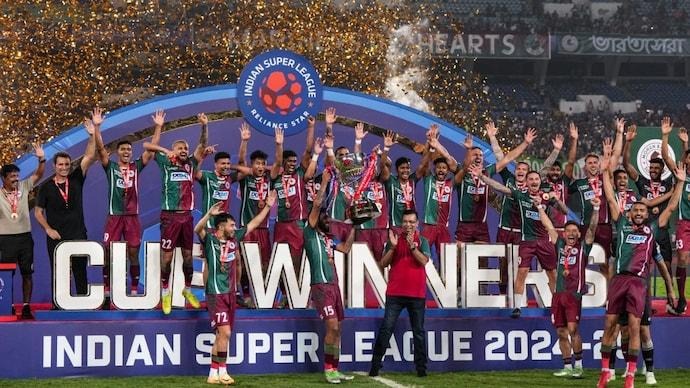
By 2022, the ISL had cemented its place in India’s sporting calendar. Hyderabad FC’s Cinderella run to the 2021–22 title showcased the growing depth of Indian coaching and talent. The league introduced salary caps and squad regulations to ensure financial sustainability, while the Durand Cup and Super Cup were integrated into the calendar for additional competitive matches.
Attendance rebounded post-pandemic, with Kerala Blasters regularly filling 30,000-seat stadiums in Kochi. Mohun Bagan Super Giant’s 2024–25 double (Shield and Cup) under Jose Molina marked the first time a club achieved the feat since Mumbai City in 2020–21, underlining the league’s competitive balance.
The ISL’s popularity now extends beyond matchdays. Fantasy leagues, football predictions apps, and betting platforms have mushroomed, with fans analyzing stats and form like never before. The league’s YouTube channel boasts millions of subscribers, with highlight reels and documentaries racking up views in the tens of millions. Indian players like Lallianzuala Chhangte and Liston Colaco have become household names, earning call-ups to the national team and even trials abroad.
Measuring Popularity: The Numbers Don’t Lie
- Viewership: The 2023–24 season averaged 77 million viewers per match week on TV and digital combined (BARC + Hotstar data).
- Attendance: Average stadium attendance rose from 18,000 in 2019 to 22,000 in 2024.
- Digital Footprint: ISL’s official Instagram handle crossed 2 million followers in 2024, surpassing several I-League clubs combined.
- Merchandise: Official team stores report 400% sales growth since 2020.
- Youth Impact: Over 500,000 children enrolled in ISL-affiliated grassroots programs by 2025.
Challenges Ahead
Despite its success, the ISL faces hurdles. The lack of promotion-relegation continues to frustrate smaller clubs and limits the pyramid’s connectivity. Indian players still earn significantly less than foreign counterparts, impacting retention of top talent. And while urban centers embrace the league, tier-2 and tier-3 cities remain underrepresented in terms of fanbases and infrastructure.
Conclusion: From Experiment to Institution
The ISL has evolved from a glitzy sideshow into Indian football’s beating heart. It has professionalized the sport, elevated coaching standards, and created a sustainable business model. Most importantly, it has made football cool for a generation that grew up worshipping Sachin Tendulkar and Virat Kohli. As the league enters its second decade, the focus shifts from survival to global relevance—producing players for Europe, hosting international friendlies, and perhaps one day challenging Asia’s elite.
The roar of the Manjappada, the green-and-maroon tides of Kolkata, and the orange fervor of Goa are no longer anomalies—they are the new normal. The ISL didn’t just change Indian football; it rewrote the script on what’s possible when passion meets planning.