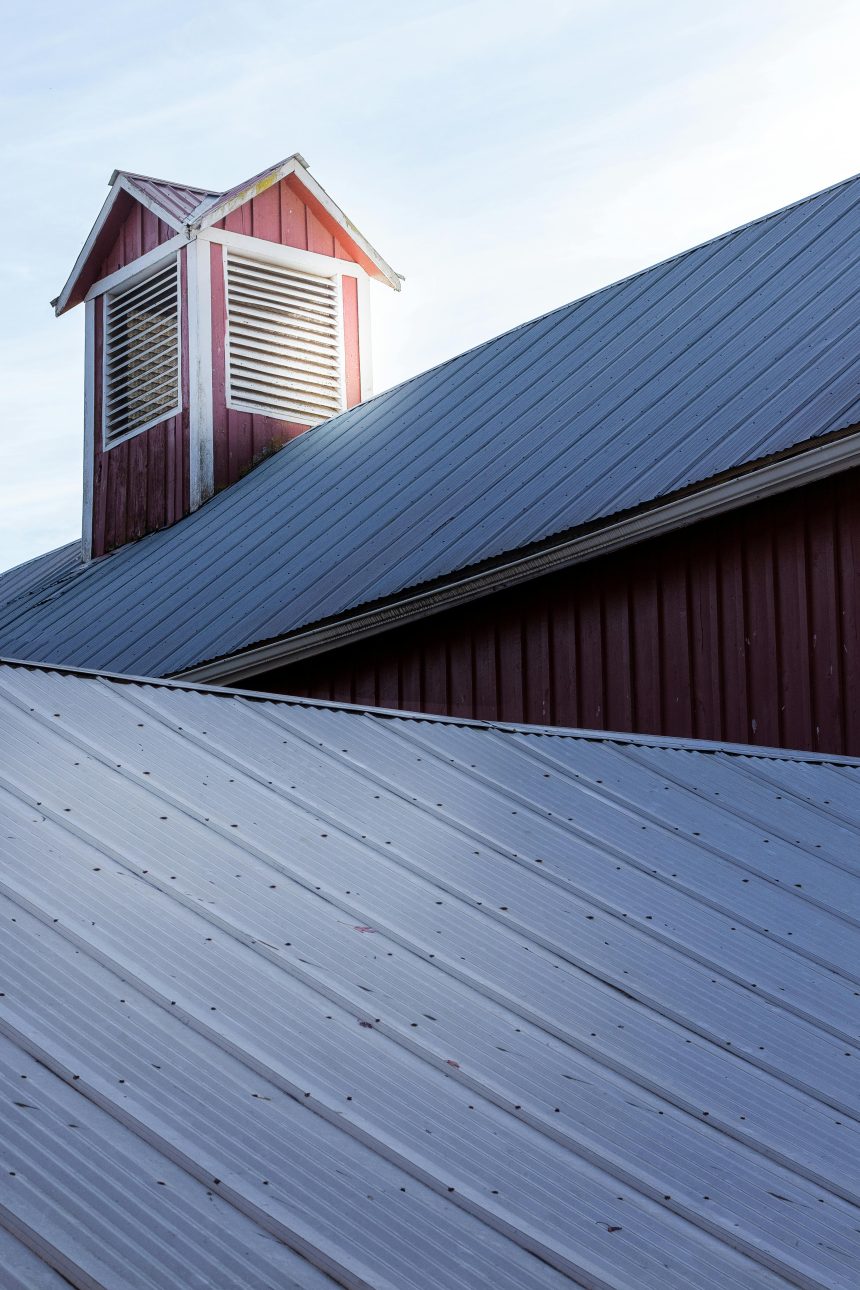
Replacing a roof stand as one of the most significant investments you’ll make in your home lifetime. As we navigate through 2026, getting a handle on the financial landscape of roof replacement has become more crucial than ever for smart budget planning and home maintenance. Here’s the thing: roof replacement costs can vary wildly depending on materials, labor rates, where you live, and how complex your roofing system is. Current market trends suggest homeowners should prepare to invest anywhere from $8, 500 to $45, 000 for a complete roof replacement, with the national average settling around $18, 000 for a standard residential property. These numbers don’t just reflect rising material costs and skilled labor rates; they also account for the growing demand for energy-efficient and durable roofing solutions that deliver real long-term value.
Factors Influencing Roof Replacement Costs
Several interconnected variables come into play when determining the total expense of your roof replacement project. Material selection serves as the primary cost driver, with options spanning from affordable asphalt shingles at roughly $4. 50 to $8. 50 per square foot installed, all the way up to premium materials like slate or copper that can run $25 to $40 per square foot or more.
Material Cost Breakdown for 2026
Understanding the specific costs tied to different roofing materials helps you make informed decisions that balance your budget with performance expectations. Asphalt shingles continue to dominate residential properties, offering an affordable entry point with three-tab shingles costing $90 to $150 per square, and architectural shingles ranging from $120 to $250 per square for materials alone. Metal roofing has captured considerable market share thanks to its longevity and energy efficiency, with standing seam metal panels running between $300 to $600 per square and corrugated metal options starting around $200 to $350 per square. Clay and concrete tiles deliver exceptional durability and aesthetic appeal, commanding prices from $400 to $800 per square depending on style and quality specifications.
Labor and Installation Cost Considerations
Labor expenses make approximately 40 to 60 percent of your total roof replacement budget, which makes contractor selection a critical financial decision. Professional roofing crews typically charge between $150 to $300 per square for basic installation labor on straightforward projects without major complications. Complex roof designs featuring multiple valleys, dormers, skylights, or intricate architectural details can bump labor costs up by 25 to 50 percent due to the additional time and precision required. The complete removal and disposal of your existing roofing materials add roughly $100 to $150 per square to the project cost, with disposal fees varying based on local landfill rates and material type. When planning a complete Roofing replacement , you’ll want to account for proper underlayment, ice and water shields, and ventilation systems as essential components that affect both immediate costs and long-term performance, typically adding $500 to $2, 500 to the total investment. Flashing installation around chimneys, vent pipes, and roof penetrations requires specialized metalwork skills and materials costing between $15 to $40 per linear foot installed. Permit fees mandated by local building departments generally range from $150 to $500 depending on your jurisdiction and project scope, ensuring compliance with current building codes and safety standards.
Regional Price Variations Across the United States
Where you live creates substantial disparities in roof replacement expenses, reflecting local economic conditions and market dynamics. Homeowners in the Northeast and West Coast regions typically face the steepest replacement costs, with average projects in cities like New York, Boston, San Francisco, and Seattle running 30 to 50 percent above national averages due to elevated labor rates and material transportation expenses. Southern states generally offer more competitive pricing, with markets in Texas, Georgia, and Florida providing access to abundant contractor availability and lower overall cost structures that can reduce project expenses by 15 to 25 percent compared to national figures. Midwest regions present moderate pricing that closely aligns with national averages, though harsh winter weather conditions may limit the construction season and create periodic demand spikes that temporarily inflate costs.
Additional Expenses and Hidden Costs
Beyond the primary replacement costs, you should budget for supplementary expenses that often pop-up during roofing projects. Structural repairs to damaged rafters, trusses, or decking can add $1, 500 to $8, 000 to your project, with older homes particularly susceptible to hidden deterioration that’s only discovered after existing materials are removed. Gutter replacement or repair frequently accompanies roof projects, costing between $800 to $3, 500 depending on material choice and linear footage required for your home’s perimeter. Chimney repairs, tuckpointing, or cap replacement may become necessary when scaffolding and equipment are already positioned, with costs ranging from $500 to $3, 000 based on the extent of work needed.
Conclusion
Understanding the comprehensive cost structure of roof replacement in 2026 empowers you to make financially sound decisions that protect your most valuable asset. The wide range of available materials, from budget, friendly asphalt shingles to premium slate, allows customization based on your aesthetic preferences, performance requirements, and financial parameters. Obtaining multiple detailed estimates from licensed and insured contractors provides essential price comparisons while ensuring you select a qualified professional capable of delivering quality workmanship. While the upfront investment may seem substantial, a properly installed roof delivers decades of protection, energy efficiency, and enhanced property value that more than justify the expense.