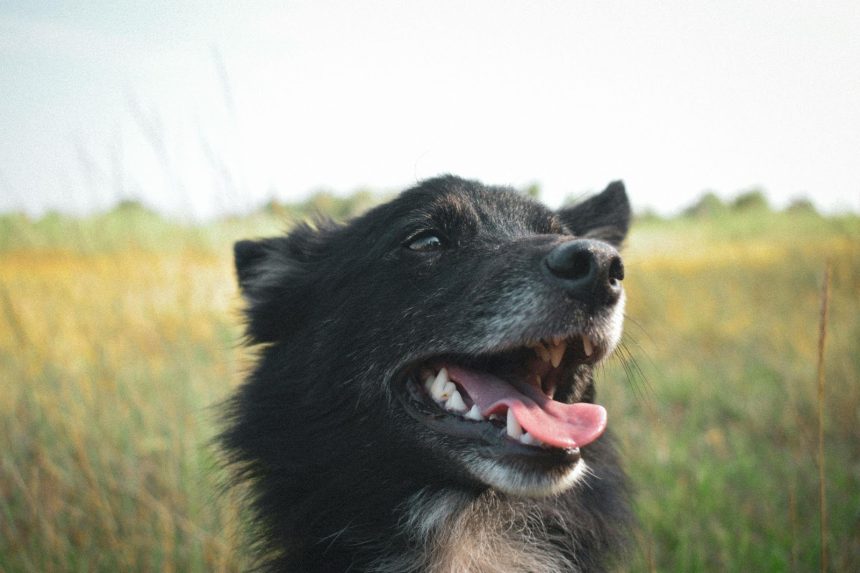
Changes in weather can be exciting for people, but they can be confusing or uncomfortable for pets if their needs are not properly supported. Dogs and cats experience seasonal shifts differently than humans, and they rely heavily on their caregivers to help them adjust. Temperature changes, humidity, daylight hours, and allergens all influence a pet’s comfort, mood, and health. By learning how to anticipate these changes and respond with thoughtful care, you can create a stable, comforting environment for your pet all year.
Seasonal comfort is not just about reacting when your pet seems uncomfortable. It involves proactive habits, close observation, and small adjustments to daily routines. Whether the weather brings summer heat, autumn transitions, winter cold, or spring allergies, the right approach helps your pet stay calm, healthy, and content throughout the year.
Adjusting Your Home Environment
Your home plays a major role in how your pet experiences seasonal changes. During warmer months, pets can struggle with heat buildup, especially if they have thick coats, flat faces, or limited airflow. Keeping blinds closed during peak sunlight hours, circulating air with fans, and providing cool resting areas can make a noticeable difference. Tile floors, cooling mats, and fresh water stations help prevent discomfort and overheating.
Colder seasons bring their own challenges. Drafts near doors and windows can make resting spaces uncomfortable for pets that prefer warmth. Offering insulated bedding placed away from cold floors allows them to relax without stress. Maintaining a consistent indoor temperature also helps pets avoid confusion between indoor comfort and outdoor chill. Gentle lighting during darker months can support pets that are sensitive to changes in daylight and routine.
Seasonal Nutrition and Hydration Needs
As the seasons change, your pet’s nutritional needs may shift in subtle but important ways. Increased activity during pleasant weather can raise calorie requirements, while colder months may naturally reduce movement. Monitoring portion sizes and adjusting feeding routines can help maintain a healthy weight and energy level.
Hydration often needs extra attention during warm weather. Pets lose moisture through panting and activity, making frequent access to clean water essential. Adding moisture rich foods or offering pet safe broths can encourage proper hydration when temperatures rise. During cooler months, some pets drink less water, so monitoring intake helps prevent dehydration even when it is not obvious.
Always consult with your veterinarian before making major dietary changes. Personalized guidance ensures seasonal nutrition supports long term health rather than causing unintended imbalances.
Grooming and Coat Care Across the Year
Your pet’s coat is one of its primary tools for regulating body temperature. Seasonal shedding is natural, but without proper grooming, loose fur can trap heat in summer or create matting in winter. Regular brushing removes excess hair, distributes natural oils, and helps you notice skin issues early.
Different seasons may call for different grooming frequencies and techniques. Longer coats often need more frequent maintenance during warmer months to allow airflow close to the skin. Shorter coats still benefit from brushing to remove debris and dead hair. Professional grooming supports coat health while minimizing discomfort, and many owners choose to schedule regular appointments for pet grooming in Durham, NC or their area to ensure consistency and expert care throughout the year.
Grooming is also an opportunity to check for ticks, dry patches, or signs of irritation that may appear as the environment changes. Addressing these early reduces stress and keeps your pet comfortable.
Exercise and Outdoor Safety by Season
Exercise remains vital in every season, but the way you approach it should change with the weather. Hot pavement can burn paw pads in summer, while icy surfaces increase the risk of slipping during winter. Choosing appropriate times of day for walks helps avoid extreme temperatures. Early morning or evening walks often feel more comfortable during warmer months.
Protective gear such as booties or paw balms can help shield sensitive feet from heat, ice, and salt residue. During colder weather, some pets benefit from lightweight sweaters or jackets that help retain warmth during outdoor time. Watching your pet’s body language is key. Signs such as excessive panting, shivering, or reluctance to move indicate it may be time to head indoors.
Mental stimulation can supplement physical exercise when outdoor conditions are harsh. Puzzle toys, training games, and indoor play sessions help burn energy while maintaining comfort and safety.
Supporting Emotional Comfort During Seasonal Changes
Seasonal shifts can affect a pet’s emotional wellbeing as much as their physical comfort. Changes in routine, reduced daylight, or household schedule adjustments may cause anxiety or restlessness. Keeping feeding times, walks, and sleep routines consistent provides a sense of stability.
Some pets become more sensitive during storms or colder months when outdoor sounds change. Creating a quiet, familiar space where your pet feels secure can ease stress. Soft music, familiar scents, and reassuring presence all contribute to emotional comfort. Paying attention to behavior changes allows you to respond early and prevent prolonged discomfort.
Conclusion
Helping your pet feel comfortable through the seasons is a continuous process rooted in awareness and care. By adjusting their environment, supporting proper nutrition, maintaining grooming routines, adapting exercise habits, and nurturing emotional wellbeing, you create a safe and supportive experience no matter the weather. Seasonal changes are inevitable, but with thoughtful preparation and attention, your pet can enjoy each part of the year feeling secure, healthy, and deeply cared for.