Planning a festival at home can be an exciting venture that offers both creative and social rewards. Whether it’s for a cultural celebration, a seasonal event, or just a gathering of loved ones, setting up a home festival requires focusing on key elements like theme, food, activities, and scheduling. The goal is to create an atmosphere that encapsulates the essence of the festival, allowing guests to connect with each other and the event’s traditions. In this guide, you will uncover steps to design a vibrant celebration, ensuring it becomes an unforgettable experience for everyone.
Define the Festival Vision and Theme
Defining your festival’s vision and theme is the first crucial step towards a successful event. Consider the purpose – whether you’re celebrating a cultural festivity, a personal milestone, or a seasonal occasion. The theme should resonate with the subjects of celebration and appeal to your guests. By crafting a visual and conceptual blueprint, you set the stage for all other elements of the event, ensuring cohesiveness and fun.
Choosing the Right Festival Theme for Your Home
Pick a theme that aligns with the festival’s essence and your household’s capacity. For example, a cozy indoor environment might suit a festive winter theme, while a garden setup could enhance a spring celebration. Remember to make it inclusive so that everyone can relate to and enjoy the theme, creating a shared experience.
Setting the Mood With Colors, Symbols, and Traditions
Colors play a significant role in setting the mood for your festival. Choose shades that symbolize the event’s spirit, using decorations and attire that emphasize these tones. Incorporate symbols and traditions that evoke the festival’s history and significance, which helps guests to immerse in the experience and connect with the event on a cultural level.
Create a Festival Menu Everyone Will Enjoy
A well-curated menu is key to any memorable festival. It should reflect the theme while catering to diverse tastes and dietary needs. Blend traditional dishes with contemporary flavors to surprise and delight your guests, ensuring everyone finds something they love.
Planning Traditional and Modern Festival Foods
Start with a list of traditional dishes that align with the festival you’re celebrating. Add modern twists to these recipes, welcoming creativity without losing authenticity. Offering a mix of classic and new ensures guests can enjoy familiar tastes alongside novel culinary experiences.
Organizing Drinks, Desserts, and Snack Stations
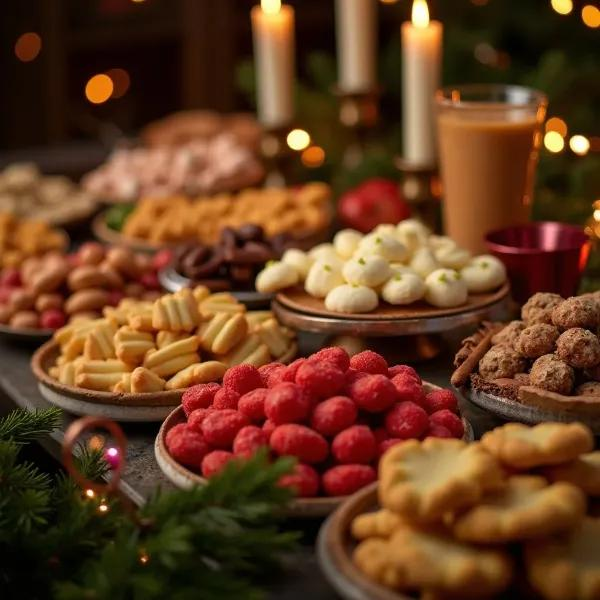
Create stations with various drinks, desserts, and snacks to match your guests’ preferences. Offer an array of choices from classic beverages to festive-themed cocktails. Desserts should be both visually appealing and delicious, providing a sweet end to the meal. Snack stations can keep guests entertained before and after your main meals.
Design Activities and Entertainment for All Ages
Entertainment is another pivotal aspect of a successful home festival. Activities should be engaging and inclusive, catering to a variety of age groups and interests. This way, everyone can participate and have fun, contributing to the celebration’s vibrant atmosphere.
Music, Dance, and Cultural Performances at Home
Design a music playlist that aligns with your festival theme; choose songs that encourage dance and celebration. Invite family members or friends to showcase cultural performances, be it a dance, a musical act, or storytelling, adding authenticity and excitement to your event.
Games, Crafts, and Interactive Family Activities
Organize games and crafts that are suitable for all age groups. Interactive activities like scavenger hunts, DIY craft stations, or festive quizzes can keep guests entertained and foster a sense of community, making the festival more engaging and lively.
Prepare a Smooth Festival-Day Schedule
A well-managed schedule ensures the festival runs smoothly, allowing both hosts and guests to enjoy every moment without stress. Balance your timeline to accommodate various activities, meals, and key moments.
Managing Time, Guests, and Transitions
Create a timetable that incorporates setup, transitions between activities, and downtime. Clear communication with guests regarding the schedule will help them feel more comfortable and involved. Flexibility is key; be prepared to adjust timings to ensure all parts of the day are seamlessly connected.
Setting Up Rituals, Ceremonies, or Key Moments
Incorporate rituals or ceremonies that highlight the festival’s significance. Clearly identify key moments such as speeches, traditional performances, or the serving of special dishes. These milestones are pivotal in enhancing the festive atmosphere and helping guests connect deeply with the event.
Conclusion
Planning a memorable home festival requires attention to details like theme, food, and activities. By focusing on these elements, you can transform your home into a vibrant celebration space that resonates with your chosen festival. Inspiration and planning tips from platforms like celebratefestnow.com can help guide your preparations and spark creative ideas. With careful preparation and a welcoming atmosphere, not only will your guests enjoy themselves, but you will also create lasting memories and traditions for future gatherings.