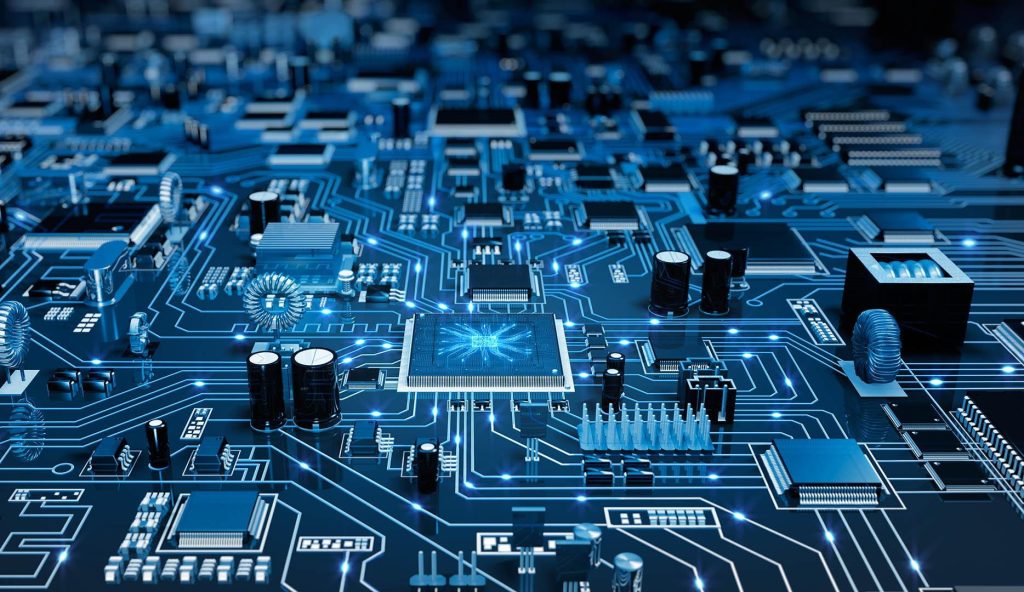
In today’s electronics industry, manufacturers are under constant pressure to produce smaller, faster, and more reliable products while maintaining cost efficiency. One of the most important technologies that makes this possible is SMT PCB assembly. From smartphones and medical devices to automotive systems and industrial equipment, SMT technology has become the standard method for assembling electronic circuit boards.
Understanding the SMT PCB assembly process is essential for engineers, product designers, and businesses seeking high-quality electronic manufacturing solutions. This article explores what SMT PCB assembly is, how it works, its advantages, applications, and key factors to consider when choosing an assembly partner.
What Is SMT PCB Assembly?
SMT PCB assembly refers to the process of mounting electronic components directly onto the surface of a printed circuit board (PCB) using Surface Mount Technology (SMT). Unlike traditional through-hole technology, which requires component leads to be inserted into drilled holes, SMT components are placed directly on the PCB surface and soldered in place.
The process enables manufacturers to achieve higher component density, reduce board size, and improve production efficiency. Today, the majority of electronic devices are produced using SMT PCB assembly because it supports automated manufacturing and high-volume production.
How the SMT PCB Assembly Process Works
The SMT PCB assembly process consists of several highly controlled steps designed to ensure accuracy and reliability.
Solder Paste Printing
The first stage involves applying solder paste to the PCB. A stainless-steel stencil is used to deposit the correct amount of solder paste onto designated pads where components will be mounted. Accurate solder paste application is critical because it directly affects solder joint quality.
Component Placement
After solder paste printing, automated pick-and-place machines position surface-mount components onto the PCB. Modern placement machines can place thousands of components per hour with exceptional precision, ensuring consistent assembly quality.
Reflow Soldering
Once all components are placed, the PCB enters a reflow oven. The board passes through multiple temperature zones that gradually heat the solder paste until it melts and forms permanent electrical and mechanical connections between the components and PCB pads.
Inspection and Quality Control
Inspection is a crucial part of SMT PCB assembly. Manufacturers use Automated Optical Inspection (AOI), X-ray inspection, and functional testing to identify defects such as solder bridges, missing components, or alignment issues. These quality control measures help ensure reliable product performance.
Final Testing
The assembled PCB undergoes electrical and functional testing to verify that it meets design specifications. Any detected issues are corrected before the product moves to final packaging and shipment.
Advantages of SMT PCB Assembly
The widespread adoption of SMT PCB assembly is largely due to the many benefits it offers compared to traditional assembly methods.
Higher Component Density
SMT components are significantly smaller than through-hole components. This allows more components to be placed on a single PCB, enabling compact and lightweight electronic products.
Faster Production
The SMT process is highly automated, reducing manual labor and increasing production speed. Automated equipment can assemble large quantities of boards with consistent quality and efficiency.
Lower Manufacturing Costs
Although SMT equipment requires significant investment, the automated nature of the process reduces labor costs and improves production efficiency, resulting in lower overall manufacturing expenses.
Improved Electrical Performance
Shorter lead lengths and compact component placement reduce signal interference and improve electrical performance. This is especially important in high-frequency and high-speed electronic applications.
Enhanced Reliability
Automated placement and soldering processes provide greater consistency than manual assembly methods. Properly assembled SMT boards often exhibit higher reliability and longer service life.
Applications of SMT PCB Assembly
SMT PCB assembly is used across a wide range of industries because of its versatility and efficiency.
Consumer Electronics
Smartphones, tablets, laptops, smart watches, and gaming devices rely heavily on SMT technology. The compact size of SMT components enables manufacturers to create increasingly smaller and more powerful products.
Automotive Electronics
Modern vehicles contain numerous electronic systems, including engine control units, infotainment systems, sensors, and advanced driver assistance systems. SMT PCB assembly helps ensure the reliability required for automotive applications.
Medical Devices
Medical equipment such as patient monitoring systems, diagnostic instruments, and wearable health devices require highly reliable electronics. SMT technology supports the precision and quality standards demanded by the healthcare industry.
Industrial Automation
Industrial control systems, robotics, and automation equipment depend on robust electronic assemblies capable of operating in demanding environments. SMT PCB assembly delivers the performance and durability needed for these applications.
Telecommunications Equipment
Network infrastructure, communication devices, and wireless systems often utilize high-density PCB designs. SMT assembly supports the complex circuitry required for modern telecommunications technologies.
Key Factors in Successful SMT PCB Assembly
Achieving high-quality SMT PCB assembly requires attention to several important factors.
PCB Design Optimization
Design for Manufacturability (DFM) plays a critical role in assembly success. Proper component spacing, pad design, and board layout help minimize production issues and improve manufacturing efficiency.
Component Quality
Using reliable, high-quality components reduces the risk of failures and improves long-term product performance. Manufacturers should source components from trusted suppliers whenever possible.
Process Control
Consistent solder paste application, accurate component placement, and carefully controlled reflow profiles are essential for producing reliable assemblies. Advanced manufacturing facilities monitor these variables closely throughout production.
Inspection and Testing
Comprehensive inspection and testing procedures help identify defects before products reach customers. AOI, X-ray inspection, in-circuit testing, and functional testing are commonly used to maintain quality standards.
Manufacturer Experience
An experienced assembly partner can provide valuable guidance on PCB design, material selection, and process optimization. Their expertise helps reduce production risks and improve overall product quality.
Future Trends in SMT PCB Assembly
As electronic devices continue to become smaller and more sophisticated, SMT PCB assembly technology continues to evolve. Manufacturers are increasingly adopting advanced automation, artificial intelligence, and smart factory solutions to improve efficiency and quality.
Miniaturized components, high-density interconnect (HDI) boards, and advanced packaging technologies are driving new innovations in assembly processes. These developments enable the production of more powerful electronic products while maintaining compact form factors.
Environmental sustainability is also becoming a major focus. Many manufacturers are implementing lead-free soldering processes, energy-efficient equipment, and waste reduction initiatives to support greener electronics manufacturing.
Conclusion
SMT PCB assembly has become the foundation of modern electronics manufacturing, enabling the production of compact, reliable, and high-performance electronic devices. Its advantages in terms of efficiency, cost-effectiveness, reliability, and scalability make it the preferred assembly method across industries ranging from consumer electronics to automotive and medical technology.
As electronic products continue to evolve, businesses that partner with experienced manufacturers can benefit from advanced SMT capabilities and high-quality production standards. Whether for prototypes or large-scale production, choosing the right provider for SMT PCB assembly in China can help ensure product success, competitive pricing, and reliable long-term performance.