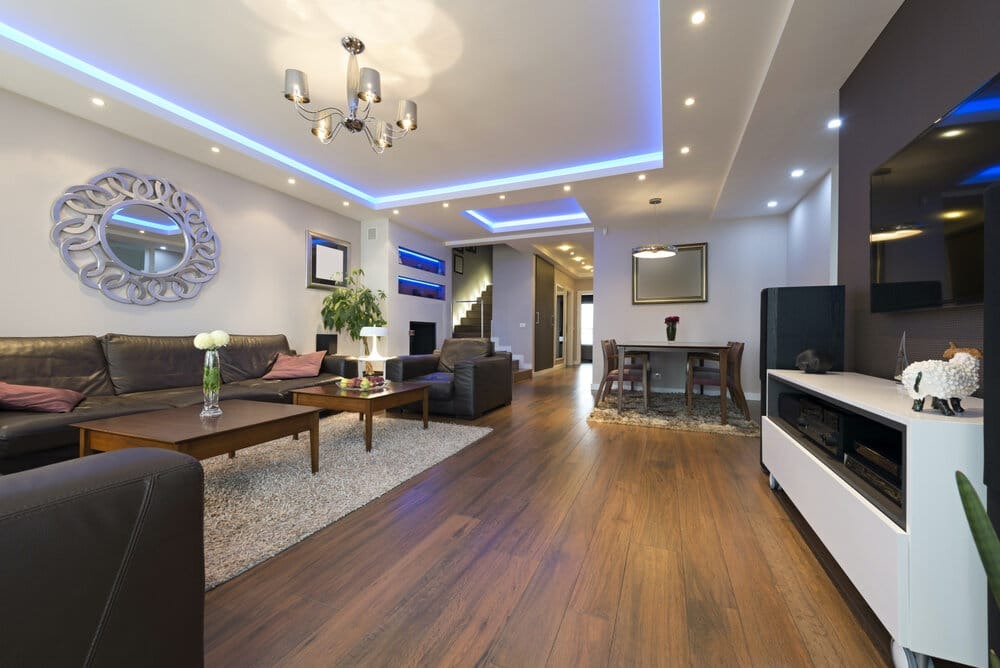
Have you ever walked into a room and felt instantly relaxed, or conversely, found yourself squinting under the harsh glare of overhead fluorescents? We often blame our comfort levels on furniture or room temperature, but the true culprit—and hero—is often the light.
Light does far more than help us see in the dark. It shapes our perception of a room, influences our circadian rhythms, and dictates how we feel within a space. While standard fixtures provide utility, they often lack the nuance required to make a house feel like a home or an office feel like a place of innovation. This is where custom Lighting Design comes into play. By tailoring illumination to the specific needs of a room and its occupants, we can transform cold, static spaces into dynamic environments that breathe.
Understanding the Principles of Light
To understand how to manipulate mood, you first need to understand the layers of light. A successful Lighting Design scheme never relies on a single source. Instead, it weaves together three distinct layers to create depth and flexibility.
Ambient Lighting
This is your foundation. Ambient light provides the overall illumination for a room, mimicking natural daylight. It’s the soft glow that allows you to move around safely without tripping over the coffee table.
Task Lighting
As the name suggests, this layer is functional. It focuses intense light on specific areas where activities happen—reading, cooking, or working at a computer. It prevents eye strain and ensures safety in high-focus zones like kitchen counters.
Accent Lighting
This is the drama. Accent lighting is used to highlight architectural features, artwork, or plants. It adds dimension and draws the eye, creating visual interest that makes a space feel curated rather than accidental.
Transforming Residential Sanctuaries
In our homes, lighting needs to be as versatile as our lives. The kitchen, for instance, is often a high-energy workspace in the morning but transitions into a social hub in the evening.
A custom approach allows for this transition. Imagine cooking dinner under crisp, bright task lighting that makes chopping vegetables safe and easy. Once the meal is ready, you dim those lights and switch on warm, low-level pendant lights over the dining island. Suddenly, the mood shifts from “work” to “relax.”
In living rooms and bedrooms, the goal is often to signal the body to wind down. Warm color temperatures (2700K to 3000K) mimic the setting sun, encouraging the production of melatonin. By utilizing floor lamps and wall sconces rather than harsh ceiling grids, you create pockets of coziness that invite you to curl up with a book.
Elevating Commercial Atmospheres
The stakes are just as high in commercial spaces, though the goals may differ. In an office setting, lighting is directly tied to productivity. Dim, yellow lighting can induce drowsiness, while overly bright, cool lighting can cause headaches and anxiety.
A thoughtful Lighting Design strategy for an office might involve cool, blue-enriched light (4000K+) during the morning to boost alertness and focus. As the day progresses, the system can gradually warm up, helping employees decompress before they head home.
In retail and hospitality, lighting is a storytelling tool. A high-end boutique might use dramatic accent lighting to make merchandise pop against dark shadows, creating an air of exclusivity. A fast-casual restaurant, on the other hand, might use bright, even lighting to encourage energetic conversation and faster turnover.
Planning Your Custom Lighting Project
If you are ready to move beyond the single bulb in the center of the ceiling, here are a few practical tips to get started:
- Think about function first: Before buying fixtures, map out exactly what you do in the room. Where do you read? Where do you chop food?
- Embrace dimmers: Installing dimmer switches is the single most effective way to gain control over the mood of a room. It allows you to change the atmosphere instantly without changing a bulb.
- Watch the temperature: Ensure your bulbs match in color temperature. Mixing cool blue daylight bulbs with warm yellow bulbs in the same fixture can look disjointed and accidental.
- Layer your sources: Aim for at least two different sources of light in every room (e.g., overhead + floor lamp).
Illuminate Your Life
Lighting is the invisible paint of interior design. It has the power to make a small room feel vast, a cold room feel warm, and a chaotic day feel manageable. By investing in a personalized lighting plan, you aren’t just buying lamps; you are curating the backdrop of your life. Whether you are looking to boost productivity or simply relax after a long week, the right light makes all the difference.